
Evolving to meet families where they’re at through meaningful moments of connection
Children and youth with disabilities and their families have long shared that their mental health needs are unique and often complex, shaping both how they experience the world and how connected they feel within it. At Holland Bloorview Kids Rehabilitation Hospital, meaningful support begins with connection, with mental health resources interwoven across programs and services to help families feel supported, understood and empowered.
 “We know and hear from the clients and families we serve that they experience a higher proportion of behavioural and mental health challenges, compared to families without disability in their household,” says Kathryn Decker, senior director, neurodevelopmental health and inclusion services.
“As Canada’s hospital for kids with disabilities and developmental differences, we’re continually advancing care and services – within our walls and across the communities and systems we partner with. We’ve already strengthened a number of mental health supports, and we recognize our responsibility to evolve as needs change. We’ll soon be engaging teams, clients and families, and system partners to shape a proactive approach for next year: enhanced, integrated mental health care designed to support their overall health and well-being.”
Below are some examples of supports that have evolved or have been introduced over the years, shaped by what Holland Bloorview has heard from its clients and families and designed to strengthen connection at every stage of care.
Building confidence for children through community
For about 20 years, Kid Talk has offered peer support for youth aged 9 to 13, helping them connect over common interests and the challenges of growing up with a disability. The program focuses on building practical strategies, reducing feelings of isolation and boosting self-confidence.
Nadine Sunarich, a social worker who has helped facilitate these sessions since its inception – alongside social work colleagues and youth facilitators – reflects on parent feedback:
“Kids not only work on things like social skills and coping strategies, but also form meaningful connections with peers who share similar experiences in a safe, inclusive environment.”
Meeting one evening per week for up to six weeks – with plans to expand to a hybrid virtual and in-person model – psychoeducational sessions cover topics such as stress management, self-esteem, friendships, recreation and bullying – particularly the growing challenge of cyberbullying as many peer interactions now take place online.
Originally designed for children with cerebral palsy, the peer support group has grown to welcome youth accessing neuromuscular and spina bifida services, with a tailored version also available for clients accessing autism services.
Where creativity and healing connect for persistent pain clients
Persistent pain can impact many aspects of a child’s life, with medical appointments and symptom management often taking precedent over self-care and social connections. As Canada’s first inpatient interdisciplinary pediatric pain service, Get Up and Go (GuaG) focuses on functional rehabilitation and introduces therapeutic interventions – such as channeling feelings and experiences through art – to help lessen pain’s influence on their daily lives.
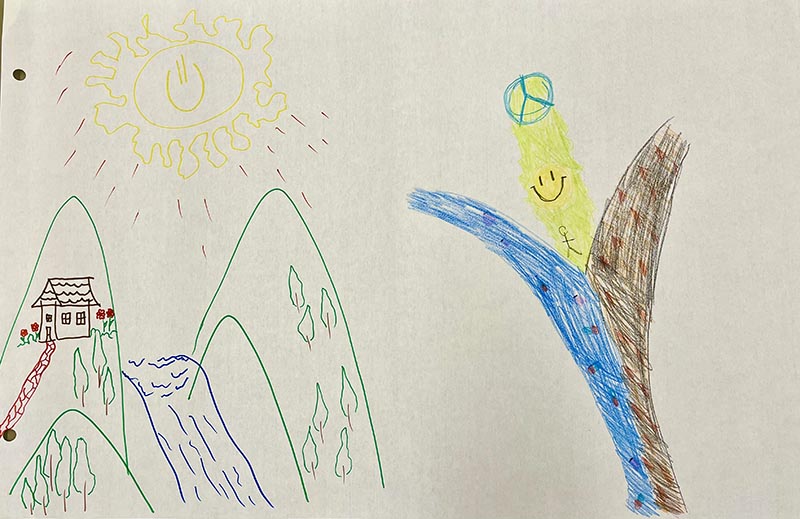
“When emotions are named and visualized – using tools such as the Emotion Iceberg, emotional landscapes and creative narratives – they become more visible and more manageable,” says Ping-Chuan Hsiung, family therapist, GuaG.
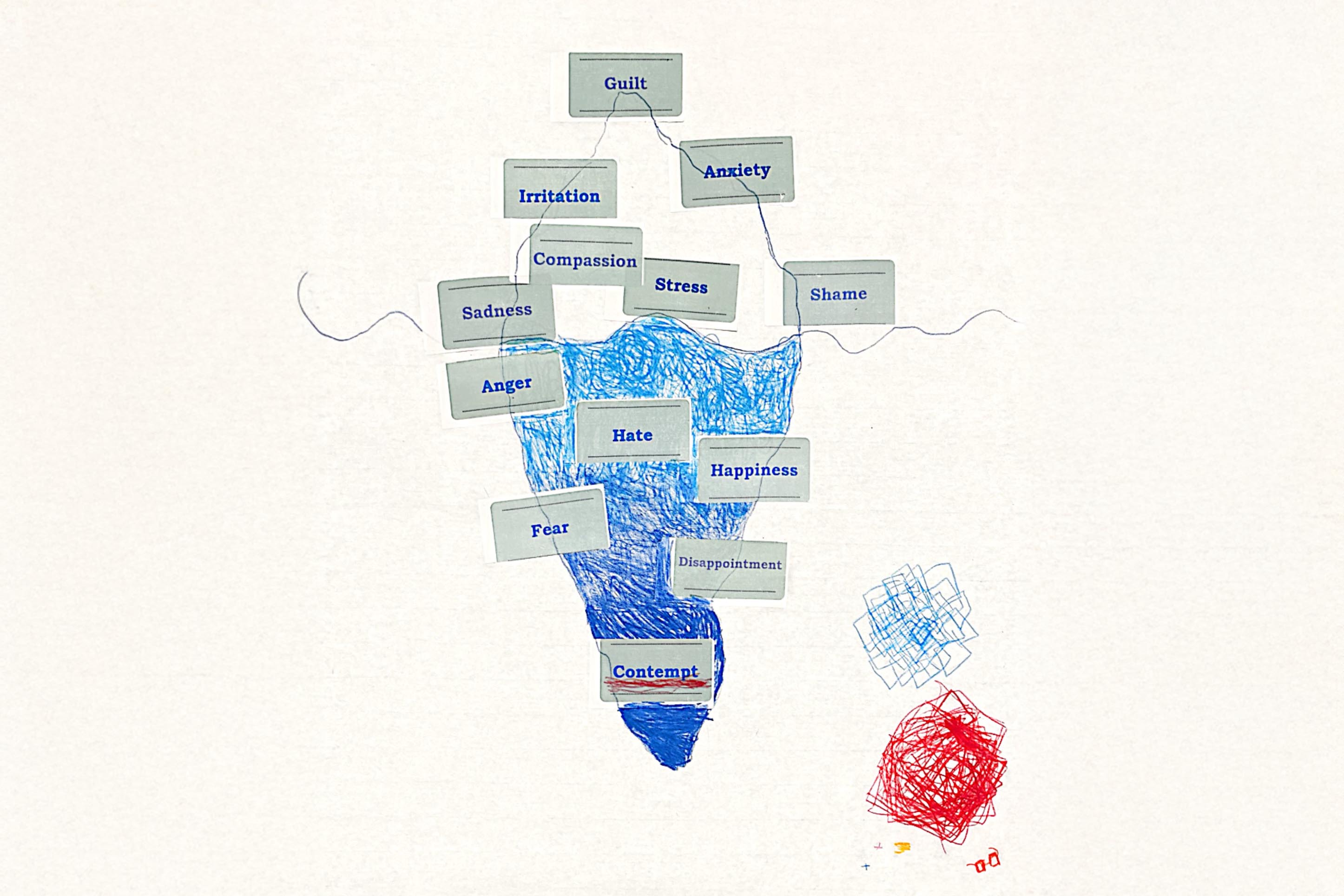
Hsiung shares that her role within GuaG centres on fostering meaningful connections – between children and caregivers, emotions and understanding, as well as hardship and optimism.
“Youth surprise themselves with growth, and working alongside families in moments of vulnerability, courage and creativity, continually reinforces for me that healing is grounded in shared humanity.”
Care for the caregivers
Caregivers of children with disabilities often put their own well-being aside in the pursuit of addressing the evolving, complex needs of their child. At Holland Bloorview, Acceptance and Commitment Training (ACT) supports caregivers through a mindfulness and values-based approach that helps them manage life’s challenges while reconnecting with the things that matter most.
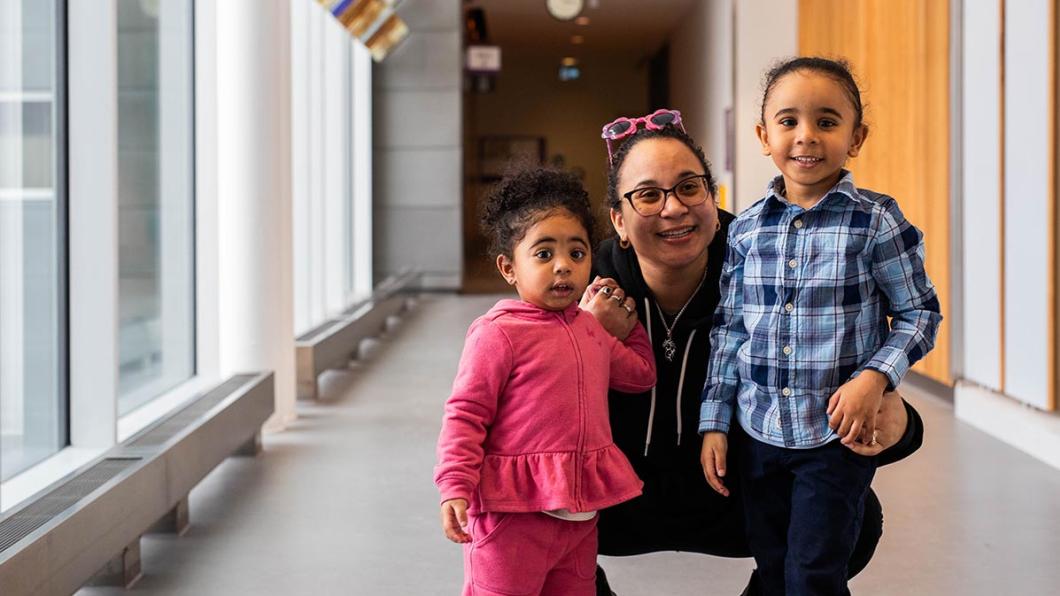
Alifa Khan (pictured above), a mother of three – including two children with autism and one with a congenital heart defect – shares:
“Caregivers are the silent backbone, inherently supporting their child’s needs, thus making them crucial to conversations anchored in their loved ones’ mental health. Personally, navigating this journey with a child who has a neurodevelopmental difference has been complex, due to the way they interact and experience their environment.”
Khan, who is also a family leader at the hospital, has co-delivered ACT workshops and notes: “Many appreciate having protected time to focus solely on themselves and their needs, and as a result, many gain new insights and perspectives into their values and current strategies.”
She confirms that the feedback from participants has ranged from gratitude to feeling connected with other caregivers who “get it.”
To learn more and register for upcoming ACT workshop dates in May and June, click here.
By Ashley Cruz