




The Bloorview Research Institute (BRI) is recognized internationally for its leadership in childhood disability research, bringing together scientists, clinicians, and families to create meaningful impact for children and youth with developmental differences and disabilities. In addition to advancing discovery locally and globally, BRI is committed to fostering dialogue and collaboration that push the field forward.
The BRI Global Guest Speaker Series is a free monthly virtual event that invites leading international experts to share insights on childhood disability research, rehabilitation, and inclusion. Each talk creates opportunities for learning, collaboration, and exchange across disciplines, connecting researchers, clinicians, families, and community partners around the world.
December Featured Speaker
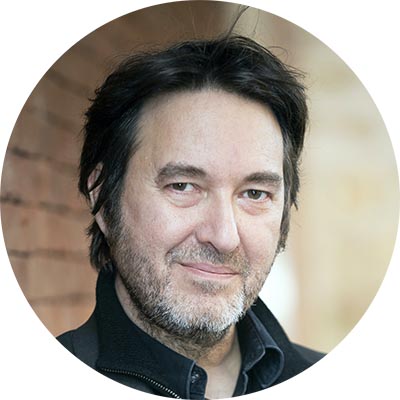
Prof. Thomas Bourgeron, Professor at Institut Pasteur and Université Paris Cité
Date and Time
Tuesday, December 8, 2026, 11:00 a.m. to 12:00 p.m. ET
Talk Title
The genetic orchestra of autism: from medicine to neurodiversity
Talk Summary
The genetic contribution to autism is high and involves a complex combination of rare and common variants. Autism shares variations with other conditions such as attention deficit hyperactivity disorders (ADHD), intellectual disability, and epilepsy, but little is known about the factors that contribute to the diversity of the clinical trajectories. Here, I will introduce recent results that shed new light on the inheritance of autism and on some of the underlying mechanisms. For example, I will illustrate how genes associated with autism shape brain anatomy and connectivity by regulating gene expression and synaptic function. Finally, I will present how the R2D2-MH project uses participatory research to understand why some carriers of genetic variants are protected from adverse symptoms while others have more difficulties to thrive in the society. This integrated and participatory research aims to provide each person with the assessments, treatments, and accommodations their specific neurodevelopmental profile requires.
About the Speaker
Having begun his research investigating mitochondria in plants and neurological diseases, Thomas Bourgeron discovered the first genetic mutations in the Krebs Cycle of the respiratory chain in Leigh syndrome as well as the first genes associated with autism (NLGN3, NLGN4X, SHANK3) highlighting the main role of the synapse in this complex condition. His laboratory gathers psychiatrists, neuroscientists, and geneticists to understand the interplay between common and rare variants in autism.
He is leading the genetic and database work packages for several national and European projects, including AIMS2-Trials, CANDY, and R2D2-MH. His projects integrate participatory research involving autistic individuals and the families and are focused on multiscale analyses including genetics, brain imaging, and clinical data. His group is also developing new methods for analysing whole genome and brain imaging data as well as new paradigms for characterizing mouse social and vocal behaviours.
He is a member of the European Molecular Biology Organisation (EMBO), the French Academy of Sciences, the Academia Europaea, and the National Ethical Committee from France. His aim is to provide knowledge-based discoveries for a better diagnostic, care, and inclusion of people with autism and neurodevelopmental disorder.
Questions about the series?
For any questions about the Global Guest Speaker Series, please email BRISpeakerSeries@hollandbloorview.ca.
Previous talks
Precision Psychiatry: An Emerging Paradigm to Improve Diagnosis, Prevention and Treatment
Featured Speaker
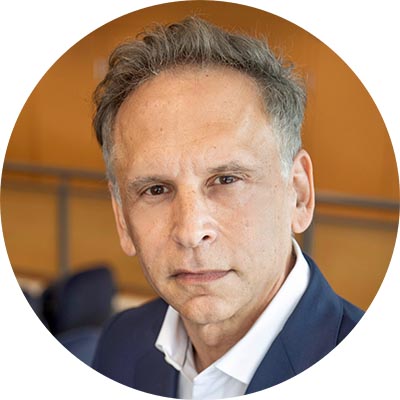
Prof. Jordan W. Smoller, Professor of Psychiatry, Harvard Medical School; Director, Center for Precision Psychiatry, Mass General Brigham.
Date and Time
Tuesday, October 6, 2026, 12:00 p.m. to 1:00 p.m. ET
Talk Title
Precision Psychiatry: An Emerging Paradigm to Improve Diagnosis, Prevention and Treatment
Talk Summary
Precision medicine has emerged as a new approach to disease treatment and prevention that aims to maximize effectiveness by accounting for individual variability in biology, environment, and lifestyle. This approach has had notable successes in oncology, cardiology, and other fields including the development of targeted therapies and novel tools for risk stratification and treatment matching. More recently, there has been growing interest in bringing the methods and tools of precision medicine to psychiatry. This presentation will introduce some of the goals of “precision psychiatry”, focusing on leveraging large-scale data resources to address unmet needs in mental healthcare. For example, advances in genomics and artificial intelligence are providing new opportunities to improve risk stratification, targeted prevention, and precision treatment. The presentation will highlight progress in these areas using several examples that capitalize on these opportunities, including efforts to predict and prevent suicide-related behavior and move beyond one-size-fits-all, trial-and-error approaches to treatment.
About the Speaker
Dr. Jordan Smoller is a psychiatrist, epidemiologist, and geneticist whose research focus has been understanding the genetic and environmental determinants of psychiatric disorders across the lifespan and using big data to advance precision mental health including improved methods to reduce risk and enhance resilience.
Dr. Smoller is Professor of Psychiatry at Harvard Medical School and Professor in Epidemiology at the Harvard T.H. Chan School of Public Health. At Massachusetts General Hospital, he is the Jerrold F. Rosenbaum Endowed Chair in Psychiatry, Director of the Center for Precision Psychiatry, Director of the Psychiatric and Neurodevelopmental Genetics Unit, and co-Director of the Center for Suicide Research and Prevention at MGB and Harvard. Dr. Smoller also serves as Director of the Omics Unit of the MGH Division of Clinical Research and co-Director of the Mass General Brigham Training Program in Precision and Genomic Medicine. He is an Associate Member of the Broad Institute, past President of the International Society of Psychiatric Genetics and an author of more than 650 scientific publications.
The Patient Journey Through Drug Development: Making the Impossible Possible for Angelman Syndrome
Featured Speaker
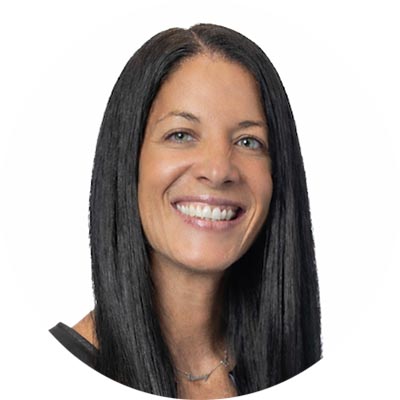
Dr. Allyson Berent, Chief Science Officer; Foundation for Angelman Syndrome Therapeutics (FAST); Chief Development Officer AS2Bio; Co-Director Angelman Syndrome Biomarkers And Outcome Measures Consortium
Date and Time
Tuesday, September 15, 2026, 11:00 a.m. to 12:00 p.m. ET
Talk Title
The Patient Journey Through Drug Development: Making the Impossible Possible for Angelman Syndrome
Talk Summary
This talk will walk the audience through a unique venture philanthropy model of how parent’s can take the wheel to ensure therapeutic opportunities exist for their children with rare genetic conditions.
About the Speaker
Allyson is a veterinarian in New York City. She received a bachelor’s degree and Doctor of Veterinary Medicine degree from Cornell University. She is a member of the American College of Veterinary Internal Medicine and is a specialist in internal medicine and interventional radiology/interventional endoscopy. She is the director of interventional endoscopy at one of the largest specialty animal hospitals in the world and joined FAST in 2015 becoming our Chief Science Officer. Allyson was a co-founder of GeneTx Biotherapeutics serving as their Chief Operating Officer prior to the acquisition of the company by Ultragenyx Pharmaceuticals. Allyson is the co-director of the Angelman Syndrome Biomarkers & Outcome Measures Consortium (A-BOM) and the International Angelman Syndrome Research Council (INSYNC-AS), and has taken on the role of Chief Development Officer for AS2Bio, focused on accelerating drug development for individuals living with Angelman syndrome.
Human- and Data-Centric Approaches to Improve Personalised Prosthetic Limb Design
Featured Speaker
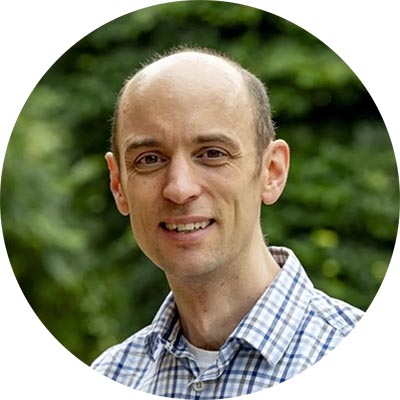
Prof. Alex Dickinson, Professor of Prosthetics Engineering, University of Southampton.
Date and Time
Tuesday, August 18, 2026, 11:00 a.m. to 12:00 p.m. ET
Talk Title
Human- and Data-Centric Approaches to Improve Personalised Prosthetic Limb Design
Talk Summary
This presentation will cover concepts in how data science may enable us to take a more evidence-based approach to prosthetic limb services, with perspectives in high- and low-resourced settings. Both demonstrate the value of data, but also the essential need for a human understanding of this complex musculoskeletal health challenge.
First, the talk will address personalised prosthetic socket design and fitting by Computer Aided Design and Manufacturing. I will present recent developments in work to find patterns in historic design records and apply them as evidence-generated socket designs, allowing prosthetists to spend more of their time on the higher value-added, patient-facing parts of their role. This will include the results of a recently completed clinical study of this concept in UK and US clinics, led by Radii Devices Ltd.
Second, the talk will describe the use of routinely-collected data to understand the needs of people accessing prosthetics care, and the outcomes as measured by their device survivorship, in partnership with charity Exceed Worldwide and their Cambodian clinics. Such insights help prosthetics service providers to adapt their rehabilitation programmes and staff training, and technologists to address changing requirements of devices.
About the Speaker
Alex has over 20 years’ experience in medical device research and development including 5 years with Finsbury Orthopaedics Ltd, in pre-clinical analysis and testing. He is motivated by multidisciplinary work with clinicians, health scientists and industry, on applied research for patient- and clinician benefit, and co-founded the PeoplePoweredProsthetics research group to deliver this. Since 2023 he directs the FortisNet interdisciplinary musculoskeletal health research group, supporting the community to transform MSK health across the life course. He held an RAEng Research Fellowship (2015-2020) and has led projects including EPSRC/NIHR Global Challenges Research Fund project ‘A Step Change in LMIC Prosthetics Provision through Computer Aided Design, Actimetry and Database Technologies’ (EP/R014213/1) between partners in UK and Cambodia. He is a co-founder of Radii Devices Ltd. who are developing data-centric design and analysis methods to assist personalised prosthetic limb design. As a proponent of open data science he was a Turing Fellow (2021-2023) and has published the OpenLimb and OpenHands datasets.
Disability, Diversity and Digitalisation
Featured Speaker
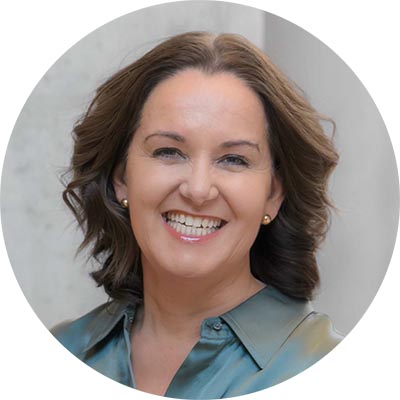
Prof. Karen Soldatic, Canada Excellence Research Chair in Health Equity and Community Wellbeing, Toronto Metropolitan University.
Date and Time
Tuesday, July 7, 2026, 12:00 p.m. to 1:00 p.m. ET
Talk Title
Disability, Diversity and Digitalisation
Talk Summary
This presentation draws on research exploring how people with disabilities from culturally and linguistically diverse (CaLD) backgrounds engage with everyday digital technologies, reframing digital inclusion through an intersectional and agency-based lens. Moving beyond deficit narratives, the study identifies how participants actively negotiate, adapt, and transform technologies in ways that reflect their lived realities.
About the Speaker
Karen Soldatić is the Canada Excellence Research Chair in Health Equity and Community Wellbeing at Toronto Metropolitan University. An internationally recognised researcher in disability inequality, her work focuses on advancing the rights, inclusion, and wellbeing of people with disabilities, particularly those who experience multiple forms of social and economic marginalisation.
For more than two decades, Karen has worked across research, policy, and community sectors in Australia, Canada, Africa, and Asia to address systemic inequality and improve access to health, social, and community services. A longstanding area of her work has been preventing and responding to gender-based violence against women and girls with disabilities, including emerging forms of technology-facilitated gender-based violence and online harms.
Karen is committed to partnering directly with communities to co-design practical solutions that promote health equity, digital inclusion, safety, and social justice. She is also an Extraordinary Professor at Stellenbosch University and serves on the Boards of Diversity Arts Australia and Wellesley Institute, Toronto, Canada, contributing to national and international efforts to advance inclusion, equity, and community wellbeing.
Connecting Care, Changing Lives: A National Network for Youth with Severe Brain Injury and Complex Care Needs - Lessons from the Netherlands
Featured Speaker
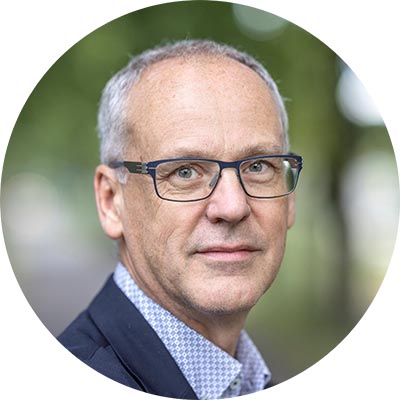
Prof. Jan Willem Gorter, Professor and Chair of Pediatric Rehabilitation Medicine at University Medical Center Utrecht
Date and Time
Tuesday, June 9, 2026, 12:00 p.m. to 1:00 p.m. ET
Talk Title
Connecting Care, Changing Lives: A National Network for Youth with Severe Brain Injury and Complex Care Needs - Lessons from the Netherlands
Talk Summary
Children and youth with severe acquired brain injury (ABI) often encounter fragmented care across healthcare, education, and community services, leading to delays, inequities, and suboptimal outcomes. In the Netherlands, these challenges have underscored the need for a coordinated national approach. This presentation outlines the development of the KIND & NAH network, a collaborative initiative designed to connect expertise, align care pathways, and improve life course outcomes for children and families. Central to the network is a shared vision emphasizing long term participation and continuity across settings. Key elements include a tiered care approach with expertise close to home, cross sector collaboration, and a Knowledge Center supporting practice, research, and implementation. Early lessons highlight the importance of strong family partnerships, shared frameworks, and sustainable governance.
About the Speaker
Jan Willem Gorter, MD, PhD is Professor and Chair of Pediatric Rehabilitation Medicine at University Medical Center Utrecht. He leads pediatric rehabilitation services at the Wilhelmina Children’s Hospital and the Princess Máxima Center for Pediatric Oncology in the Netherlands. Jan Willem is a pediatric rehabilitation specialist with a focus on children and youth with acquired brain injury and complex neurological conditions. His clinical and research work centers on functional recovery, cognitive outcomes, family centered care, and long term participation across the life course. Dr. Gorter is Director of the Knowledge Center within the KIND & NAH network, a government-funded national initiative focused on improving (chronic) care, research, and collaboration for children and families affected by acquired brain injury. Jan Willem is committed to advancing family-centered care and translating research into meaningful improvements in practice.
From Precision Medicine to Personalised Support for Neurodivergent People: New Conceptual and Methodological Directions
Featured Speaker
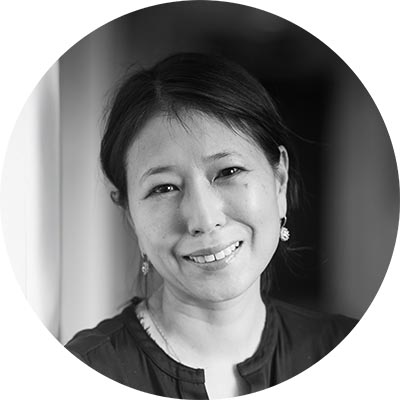
Prof. Eva Loth, professor of cognitive neuroscience, Institute of Psychiatry, Psychology and Neuroscience, King’s College London
Date and Time
Tuesday, May 19, 2026, 12:00 p.m. to 1:00 p.m. ET
Talk Title
From Precision Medicine to Personalised Support for Neurodivergent People: New Conceptual and Methodological Directions
Talk Summary
Over a decade ago, recognition that an autism diagnosis alone cannot predict a particular autistic person’s developmental trajectory or support needs inspired the rise of Precision Medicine in psychiatry. In this talk, I will discuss progress, limitations and new directions based on findings from EU-AIMS and AIMS-2-TRIALS; two major European initiatives advancing precision approaches in autism. In the first phase, we created a set of longitudinal, multi-disciplinary studies spanning infancy to adulthood, developed new assessment tools for underserved populations (e.g., neurodivergent preschoolers) and methods that move beyond group averages toward individual prediction and subgroup identification. However, links between genetic, neural, cognitive, and clinical features remain modest, which may reflect complex many-to-many, nonlinear, and adaptive relationships.
In the second phase, autistic people became research advisors and collaborators, prompting a shift in research priorities (e.g., mental health, sensory sensitivities) as well as greater recognition of social, environmental, and experiential influences on development. Advancing a “developmental multi-systems framework”—where autistic and co-occurring traits emerge through dynamic interactions between biology, environment and experience across time—now requires a supportive transdisciplinary ecosystem. This begins with inclusive research practices that foster social legitimacy and trust, alongside technological advances that improve the reliability and scalability of measurement approaches. It also requires analytic frameworks capable of capturing complex dynamic interactions, and systems changes to enable feasible implementation of scientific advances into clinical, educational, and community settings.
About the Speaker
Eva Loth is Professor of Cognitive Neuroscience at the Institute of Psychiatry, Psychology and Neuroscience, King’s College London. Her main interest is in understanding the dynamic interaction between social and biological mechanisms in social, cognitive and emotional development in autistic and neurodivergent people. She is the Deputy Lead of the AIMS-2-TRIALS consortium, which aims to develop precision medicine for autism to better predict a person’s developmental outcome and tailor support to individual profiles. She co-leads their biomarker work programme, which comprises a set of large-scale multi-disciplinary longitudinal cohorts spanning infants, preschoolers, adolescents and adults, with varying support needs. She is also the Principal Investigator of RESPECT4Neurodevelopment, a UKRI Network Plus that brings together bioengineers, physicists, psychologists, psychiatrists and families with lived experience to develop responsible, reliable, scalable, and personalised neuro-technologies for neurodivergent children. Finally, an emergent interest is in studying the interplay between social-environmental adversities and protective factors in neurodevelopment and mental health in low-and middle income countries. Here, the current focus is on children and young people who experience multiple poverty-related adversities in South Africa.
Supporting children with autism or other developmental disabilities in low-income contexts: insights from Ethiopia and Kenya
Featured Speaker
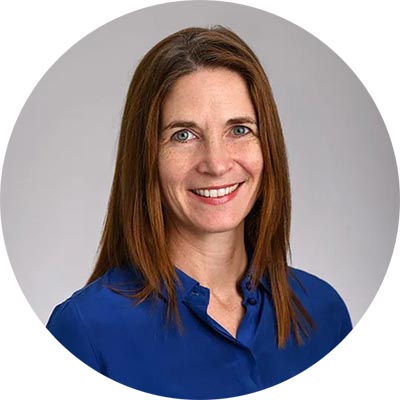
Prof. Rosa Hoekstra, professor of global autism and developmental disability research, King's College London
Date and Time
Tuesday, April 28, 2026, 11:00 a.m. to 12:00 p.m. ET
Talk Title
Supporting children with autism or other developmental disabilities in low-income contexts: insights from Ethiopia and Kenya
Talk Summary
Families of children with autism and other developmental disabilities living in low-income contexts experience severe challenges, including stigma and discrimination, poverty and a lack of access to formal support and education. In this talk I will share insights from the SPARK project, an international research collaboration aiming to improve support for children with developmental disabilities in Ethiopia and Kenya.
In close collaboration with stakeholders, the SPARK team developed a Community Identification of Developmental Disabilities (CIDD) tool to improve detection of children with developmental disabilities and promote referral for further assessment and support. Families of children identified with the CIDD were subsequently invited to participate in a cluster randomised controlled trial testing the effectiveness of the Caregiver Skills Training programme, a low intensity intervention developed by the World Health Organization. I will share findings from research underpinning the SPARK project and emerging findings from the SPARK project itself.
About the Speaker
Rosa Hoekstra is Professor of Developmental Disabilities at King's College London's Institute of Psychiatry, Psychology & Neuroscience. After finishing her PhD at the VU University in Amsterdam, she continued her autism research through a postdoctoral fellowship at the University of Cambridge in the UK. Since 2009 she combines her research with teaching in the field of Psychology, first at The Open University (2009-2015) and now at King's College London (2015-present).
She aims to conduct high quality research that makes a difference to children with autism and other developmental disabilities and their families worldwide, paying particular attention to the world’s most vulnerable and underserved communities.
Together with Prof Amina Abubakar (Aga Khan University, Kenya) she co-leads the large SPARK project, aiming to improve support for children with developmental disabilities and their families in Ethiopia and Kenya.
From assistive technology to brain computer-interface (BCI): Innovations in learning and neurorehabilitation
Featured Speaker

Prof. Prabhat Ranjan, chairman (research, innovation and international relations) at Dr D Y Patil Pratishthan, Kolhapur, India
Date and Time
Tuesday, March 24, 2026, 11:00 a.m. to 12:00 p.m. ET
Talk Title
From assistive technology to brain computer-interface (BCI): Innovations in learning and neurorehabilitation
Talk Summary
Over the past 15 years, there has been significant progress in Brain-Computer Interface (BCI) technology, supported by the increasingly easy and affordable availability of wireless neuroheadsets. This has helped move BCI beyond research laboratories and hospitals to a larger group of researchers and amateurs interested in using EEG signals in a variety of ways, including artistic applications. Wireless connectivity and real-time data processing, supported by open-source software, have further advanced the field by reducing physical restrictions on the person.
In this talk, Prof. Prabhat Ranjan will describe his early work on developing assistive technologies, including environment control systems designed around user requirements. He will then discuss his efforts since 2011 to use BCI to improve the quality of life of persons with disabilities. His research group is currently exploring applications in neurorehabilitation, identifying multiple intelligences among children to support learning and career choices, and improving learning capabilities in children with learning disabilities.
About the Speaker
Prof. Prabhat Ranjan is the Chairman (Research, Innovation and International Relations) at Dr D Y Patil Pratishthan, Kolhapur, India. He is the former and founding Vice Chancellor of D Y Patil International University (DYPIU) in Akurdi, Pune. He previously headed India’s technology think tank, TIFAC. A nuclear fusion scientist and futurist, he has become a distinguished figure in the field of Brain-Computer Interface (BCI) and assistive technology in India.
He obtained his PhD from the University of California, Berkeley in 1986 and completed his college education at IIT Kharagpur and the University of Delhi. His pioneering work in BCI began in 2011 at the Dhirubhai Ambani Institute of ICT. Currently, his research team is exploring innovative BCI applications, including neurorehabilitation for disorders of consciousness, identifying multiple intelligences in children, and using neuroplasticity to help children with ADHD. His development of “Brain-CePal” has significantly improved the quality of life for individuals in a “locked-in” condition.
Turning research into real-world care in health and disability
Featured Speaker
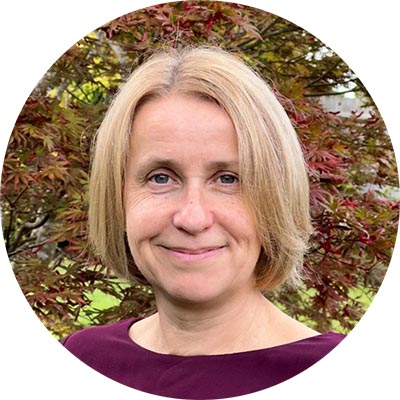
Prof. Annette Boaz, professor of health and social care and director of the NIHR Policy Research Unit on the Health and Social Care Workforce, Kings College London, U.K.
Date and Time
Tuesday, February 24, 2026, 12:00 p.m. to 1:00 p.m. ET
Talk Title
Turning research into real-world care in health and disability
Talk Summary
Research has enormous potential to improve care and outcomes, yet it often fails to influence everyday practice and policy. This talk explores why that gap persists and how evidence can be more effectively embedded into routine decision-making through relationships, collaboration, and systems change. Drawing on recent work, the presentation highlights practical approaches to ensuring research makes a real difference across health and disability services, including those serving children and families.
About the Speaker
Annette Boaz is Professor of Health and Social Care and Director of the NIHR Health and Social Care Workforce Research Unit at King’s College London. She leads a programme of research on the health and social care workforce and supports capacity strengthening in social care research. She has more than 25 years of experience in supporting the use of evidence across a range of policy domains. She has undertaken an international leadership role in promoting the use of evidence, including publishing a book on evidence use ‘What Works Now’ and co-leading Transforming Evidence with Kathryn Oliver.
Do we truly understand what 'intensity' means in the context of neurorehabilitation?
Featured Speaker
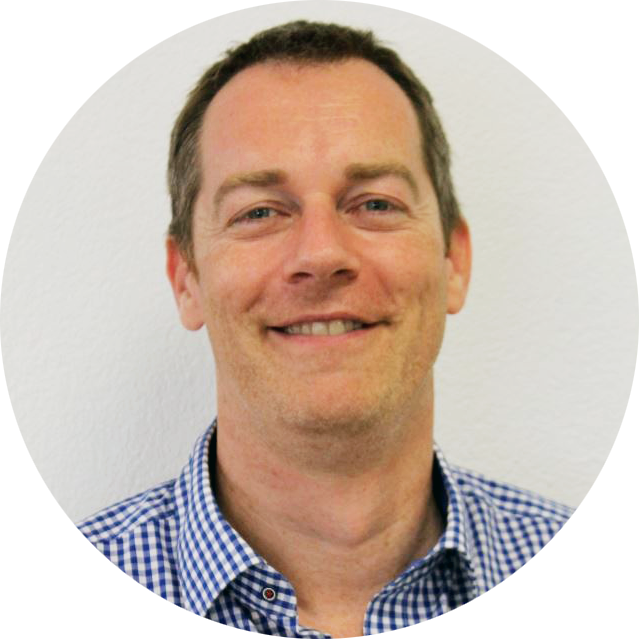
Prof. Hubertus van Hedel, PhD, PT, head of research, Swiss Children’s Rehab, University Children’s Hospital Zurich.
Date and Time
January 27, 2026, 11:00 a.m. to 12:00 p.m. ET
Talk Title
Do we truly understand what 'intensity' means in the context of neurorehabilitation?
Talk Summary
Intensive therapy is necessary to improve motor outcomes in children and adults undergoing neurorehabilitation. However, there does not seem to be an agreed-upon definition of the terms "intensity," "dose," and "dosage" of motor interventions, nor is there a universal measure to accurately quantify therapy intensity. In this talk, I will present some of our work on the completeness of intensity reporting in trials, our efforts to identify outcomes that could quantify intensity in active pediatric upper limb neurorehabilitation, and our initial findings on comparing intensity between conventional and technology-assisted upper limb therapy in a pediatric inpatient setting.
About the Speaker
Hubertus van Hedel, Ph.D., PT, is Prof. for neurorehabilitation, head of research, and member of the executive board of Swiss Children’s Rehab of the University Children’s Hospital Zurich, Switzerland. He was trained as a physiotherapist (Bachelor in 1995) and biomedical health scientist (MSc in 1998) in the Netherlands. He moved to Switzerland in 1999 to work in adult neurorehabilitation. He received his Ph.D. in 2004 and switched in 2010 to pediatric neurorehabilitation. He was appointed Adj. Professor by the University of Zurich in 2016 and Honorary Professor by the Queen Margaret University, Edinburgh, in 2018. His research interests cover pediatric neurorehabilitation, outcome assessments, motor learning, and rehabilitation technologies. Huub and his team won multiple awards during the past years. He holds several teaching appointments, is member of various (inter-)national societies, authored over 100 publications, acquired over CHF 16M in funding, and is an editorial board member of Neurorehabilitation and Neural Repair.ns in the context of neurorehabilitation?
Collaborative, Community-Engaged, and Cross-System Transitions to Work for Youth with Disabilities
Featured Speaker
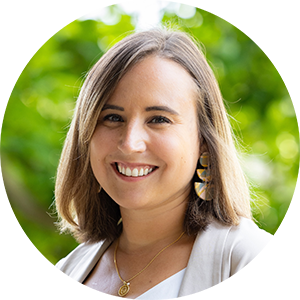
Dr. Michele A. Schutz, Assistant Professor, Department of Special Education, University of Illinois Urbana-Champaign.
Date and Time
October 28, 2025, 11:00 a.m. to 12:00 p.m. ET
Talk Title
Collaborative, Community-Engaged, and Cross-System Transitions to Work for Youth with Disabilities
Talk Summary
Despite progress in policies and practices aimed at improving adulthood outcomes for young people with disabilities, many service systems continue to fall short in ensuring they are afforded opportunities to achieve their postsecondary employment goals. Across the globe, local communities can serve as critical catalysts of essential experiences and linkages that equip youth and young adults with disabilities for their employment pursuits. Yet, these informal supports may not always be considered in transition planning. In this talk, the speaker will review pertinent predictors of postsecondary employment for youth with disabilities and discuss innovative approaches in which communities can leverage their local capacities toward elevating long stagnant employment outcomes. Practical strategies, collaborations, and considerations for clinicians, families, and other professionals who serve transition-age youth and young adults with disabilities will be discussed, including implications for rural communities.
About the Speaker
Michele Schutz, Ph.D. is an Assistant Professor in the Department of Special Education at University of Illinois Urbana-Champaign. Dr. Schutz’s work addresses (a) factors affecting the delivery and impact of career development and transition services for students with disabilities; (b) interdisciplinary roles and cross-systems collaborations for professionals who support these efforts; and (c) the purposeful leveraging of local assets within rural communities toward transition best practices. Through her work, she seeks to (1) center the lived experiences of disabled individuals, particularly those with low-incidence disabilities and extensive support needs, and (2) collaborate with people with disabilities and those who support them within community-engaged scholarship. She also teaches pre-service special educators and partners with her community and state to support local transition efforts and collaborations. Previously, she taught high school students with disabilities and worked as a transition specialist connecting students to postsecondary opportunities.
Pathophysiology of dystonia in cerebral palsy
Featured Speaker

Dr. Bhooma Aravamuthan, Assistant Professor of Neurology and Pediatrics, Medical and Research Director of the Cerebral Palsy and Mobility Center, Washington University School of Medicine
Date and Time
September 30, 2025, 12:30 to 1:30 p.m. ET
Talk Title
Pathophysiology of dystonia in cerebral palsy
Talk Summary
Cerebral palsy (CP) is the most common lifelong motor disability globally and the condition most often associated with dystonia, a debilitating movement disorder that is underdiagnosed and lacks evidence-based treatment regimens. We will discuss multi-model methods to facilitate dystonia assessment clinically and in animal models of (CP) and how we use these methods to identify novel treatment targets for dystonia in CP.
About the Speaker
Bhooma Aravamuthan MD, DPhil is an Assistant Professor of Neurology and Director of the Cerebral Palsy and Mobility Center at the Washington University School of Medicine in St. Louis. As a systems neuroscientist and pediatric movement disorders specialist, she conducts translational research on dystonia pathophysiology in cerebral palsy. Her research is funded through multiple sources including National Institute of Neurologic Disorders and Stroke, Centers for Disease Control, and American Board of Psychiatry and Neurology and her awards include the American Academy of Neurology Jon Stolk Award and Child Neurology Society Philip R. Dodge Award. She is married to an adult epileptologist and a mom to 7-year-old twin boys and a 5-year-old girl.