
Clinicians design AI tool to predict when children with DMD need breathing supports
Breathing is something we do without a second thought. That, however, is a different story for children and youth with Duchenne muscular dystrophy (DMD). As they grow older, their muscles gradually weaken and even breathing gets harder.
A team of clinicians at Holland Bloorview are working to pinpoint more effectively when they need breathing supports.

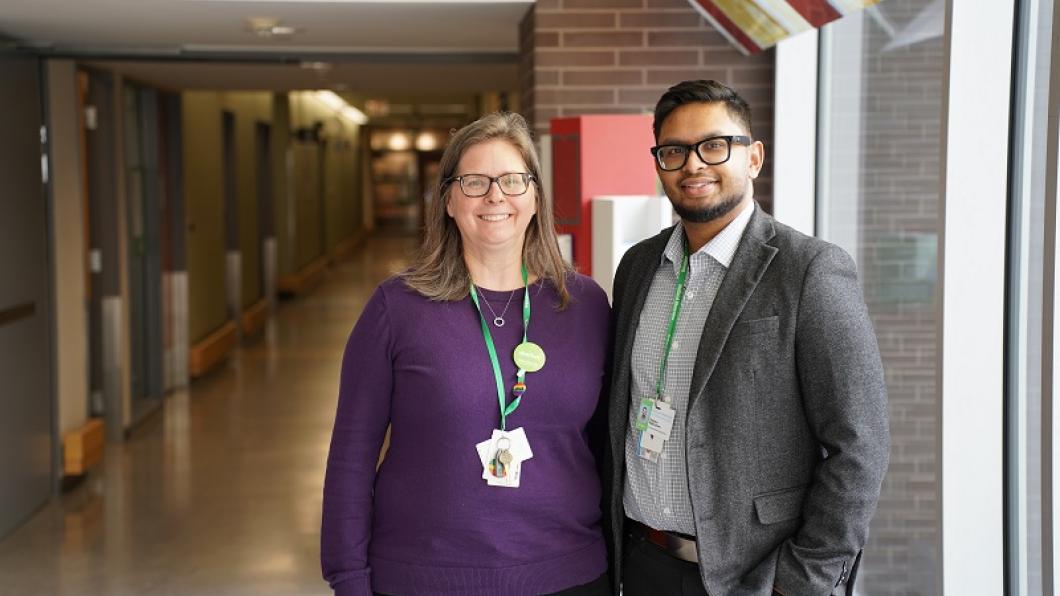
Dr. Rageen Rajendram, a developmental pediatrician, is leading a two-year study with pediatrician Dr. Laura McAdam and a clinical team at The Hospital for Sick Children to develop an AI tool that can help predict when breathing support is needed for kids with DMD — enabling earlier intervention and better outcomes.
“Right now, clinicians rely on tracking symptoms and sleep studies to decide when breathing support is needed, but it can be a slow process,” says Dr. Rajendram, who has expertise in clinical informatics and AI. “We’ve designed an AI tool that can better predict when breathing support may be required, so kids can receive breathing supports at the right time.”
Dr. McAdam agrees. She supports between 100 to 120 children and youth with this neuromuscular condition each year through the hospital’s neuromuscular clinic, which cares for the largest group of kids with this condition in Canada. By following clinical guidelines, noting detailed clinical history and running pulmonary function tests, she can determine when a client should be referred to a sleep study for further testing. Having this AI technology could help her triage higher-risk clients that otherwise may not have been flagged during the clinical decision-making process.

“I’m excited about the potential of using this AI tool as part of our clinical decision-making.” says Dr. McAdam. “It could help prioritize kids who may be at higher risk so they can access sleep studies sooner. Ultimately, we want the best possible care for our clients.” This is especially important for older clients, she adds, with sleep studies being a scarce resource across Canada’s health-care system.
To ensure this AI tool meets real-world clinical needs, the research team has actively collaborated with clinicians, health-care professionals -- and caregivers like Kasha Mitton.
As both a clinician and mother whose son has DMD, Kasha says this innovation could not only support timely interventions but bridge system gaps and potentially improve health outcomes for those with the condition.
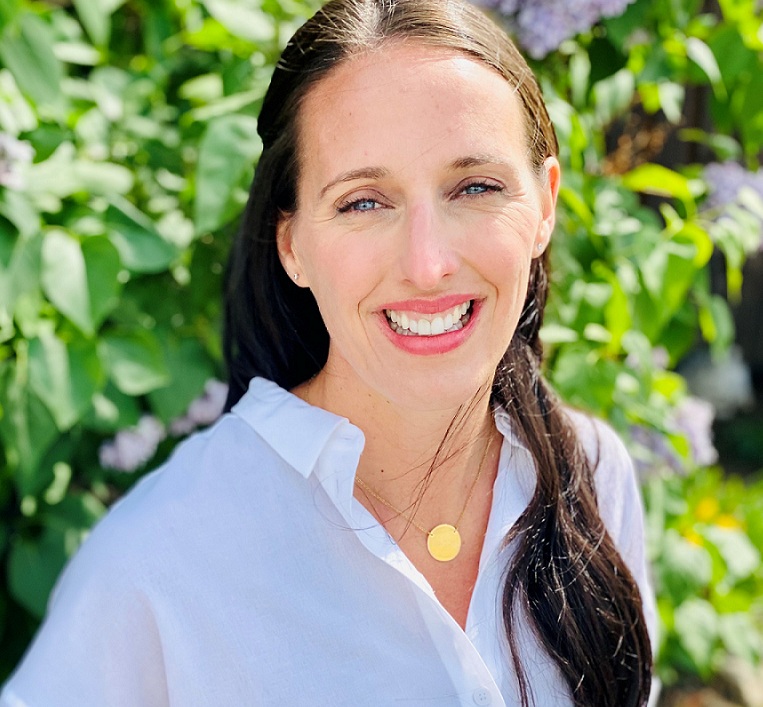
“My son uses non-invasive ventilation and we have lived the reality of navigating multiple appointments, waiting for access and trying to interpret subtle changes that may signal progression. An AI tool that can support clinical decision-making by identifying early indicators of respiratory decline not only improves timely assessment, but also reduces uncertainty for families. This is the kind of innovation that reflects what families have been asking for. Interventions that are not only evidence-based, but also anticipatory, accessible and responsive to the realities of having a progressive condition.”
Integrating research and care
The idea for this tool emerged from an ‘a-ha’ moment for both clinicians.
During his training at the developmental pediatrician fellowship program three years ago, Dr. Rajendram had presented research on how AI can help ER departments manage patient flow better by ordering more timely tests and improving triaging processes.
“Laura suggested using AI as a tool to help with clinical decision-making in her clinic at the end of my talk,” recalls Dr. Rajendram.
Dr. McAdam reflects: “As clinicians, we need to continually evolve how we do things. And it was at Dr. Rajendram’s presentation when I thought this might be a way to advance care. It’s really about integrating clinical care and research together.”
Now entering the next phase of the project, the team will begin testing the AI model alongside routine clinical care, working closing with the hospital’s decision support and data analytics team. Over the next six to twelve months, Dr. McAdam will continue assessing clients while feeding data into the model, allowing the team to evaluate how well it predicts the need for breathing support in real-world settings.
Looking ahead, the team plans to expand the study across multiple sites and investigate how this tool could inform future clinical guidelines. Dr. Rajendram is also exploring its potential application to other neuromuscular conditions, while emphasizing the need for continued research. The study is funded by Muscular Dystrophy Canada.
By Suelan Toye