



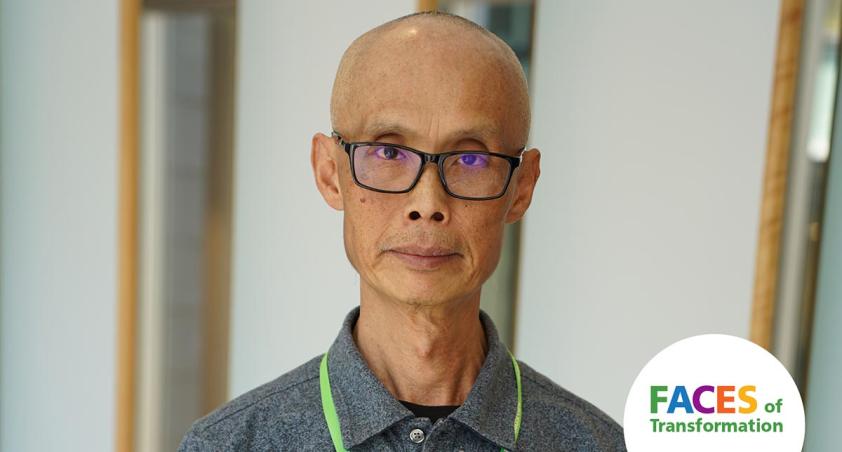
From shorter wait times to accurate resource allocation, the best care is driven by the data behind it. Decision support analyst, Samuel Cheng, examines the numbers together with a team to help inform efficient, proactive care. As a parent of a former client, Samuel understands the difference precision health care makes: “Many of these families face challenges that the rest of the world may not fully understand; it can sometimes feel like living behind a wall. This hospital helps break down those barriers, and I feel incredibly proud to be part of a team that serves this community.”
A decision support analyst acts like a GPS for the hospital. ‘Traffic’ within data reveals bottlenecks in delivering agile care. Samuel can forecast obstacles months in advance and work with leaders to proactively adjust resources, ensuring care runs smoothly.
Read on to learn more about Samuel and the impact of his work.
Samuel would like to dedicate this story to his son Timothy, who passed away in May 2026.
How did you come to be part of Holland Bloorview?
I knew Holland Bloorview long before I began my career here. As the parent of a former client, our family spent a lot of time at the hospital for clinic appointments and recreation programs. I have always admired the work done here for children with disabilities and their families.
Can you tell us about your role?
I joined Holland Bloorview 15 years ago. Originally trained in accounting and finance, I found that my background provided a natural advantage when I transitioned into my current role as a data analyst. My experience in finance taught me the importance of meticulous attention to detail and logical thinking. Today, I apply those same principles to ensure high data quality, and I enjoy the process of 'reconciling' complex numbers to find the clear story they tell.
Can you share some of the exciting projects you’re working on?
My team and I are working on an exciting transition to leverage AI for predictive analytics. What I find most fascinating is using AI tools to build interactive dashboards using plain-language commands rather than complex manual coding. The results have been amazing – producing accurate data and professional layouts in a fraction of the time. However, I’ve found with AI you still need a deep understanding of the hospital’s unique business rules to ensure the outputs are meaningful. It’s a perfect blend of modern technology and institutional knowledge.
What’s one project or initiative you’ve worked on that that you’re proud of?
One initiative I am particularly proud of is the ongoing modernization of our data reporting and automation systems. Over the years, I have seen our data needs grow significantly. Recently, I have focused on transitioning our key metrics - such as inpatient scorecards - away from manual tracking and into automated platforms.
I’m proud of this work because it shifts focus from the past to the present. By building real-time, interactive dashboards, I’m able to give leaders immediate visibility into performance, enabling more agile, evidence-based decision-making.
What challenges does data help solve?
Data helps show whether delays in care come from limited resources, scheduling issues, or changing client needs. By uncovering these 'weeds,' we can streamline processes and manage workloads better. Ultimately, the challenge I’m helping to solve is ensuring that our work runs smoothly so nothing gets in the way of a child receiving care.
How does collaborating with other teams make a project successful?
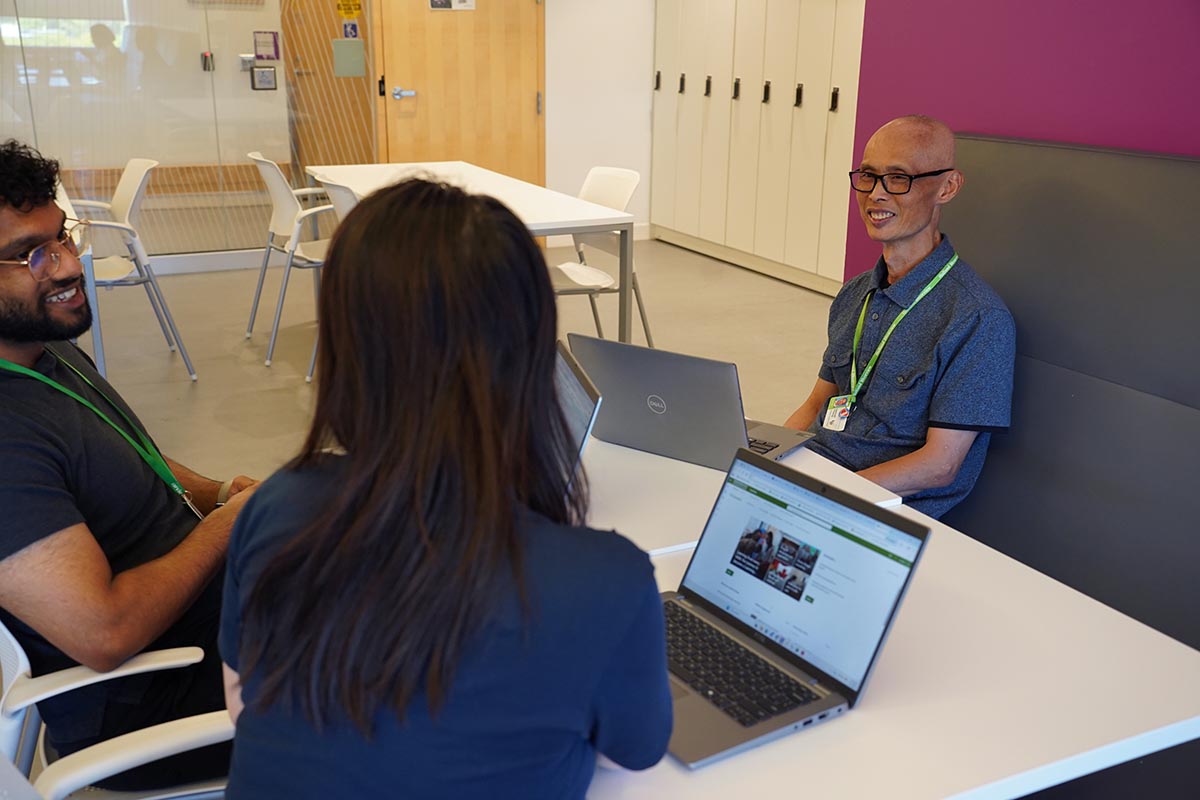
I believe a project is only successful when we leverage the expertise of the teams. For instance, when developing new interactive dashboards for hospital programs, I collaborate with program managers to understand their specific workflows and challenges. Together, we create tools that aren't just accurate, but are useful for their day-to-day decision-making. That bridge between data and operations is where the most impactful work happens.
What motivates you to do the work that you do at Holland Bloorview?
The constant opportunity to solve complex puzzles that have real-world impact. Knowing that my work with data isn't just about numbers - but about helping a clinician make a better decision or helping a child get seen sooner-is incredibly rewarding. Even after 15 years, the feeling of uncovering a hidden insight that can improve our care never gets old.
What do you find most rewarding about your work?
For me, the reward is the full-circle experience. Having once walked these halls as a parent of a client, I know exactly how much every appointment and every program matters to a family. Today, when I see a data-driven project lead to shorter wait times or more efficient services, I know exactly what that means for the families waiting at home. Being able to use my professional skills to give back to the place that supported my own family is a reward that never fades.
What are your hobbies or passions outside of work?
My favorite way to spend my time outside of work is in my garden. I take great pride in keeping my lawn green and my garden flourishing. These are my 'quiet times' - a chance to step away from the screen, enjoy the fresh air and have the mental space to think. It’s where I find my best sense of calm and clarity.