




2025 Pursuit Awards
Holland Bloorview Kids Rehabilitation Hospital’s Bloorview Research Institute recognizes outstanding PhD students and recent alumni each year for their exemplary contributions and achievements to the field of childhood disability research through the annual Pursuit Awards International competition.
Each year, some of the country and world’s top young minds apply to the prestigious award competition, showcasing their research and its impact in pediatric disability.
The 2025 Pursuit Award winners are:
- 1st place: Dr. Caitlin Edgar, PhD, Department of Biomedical Engineering, Imperial College London
- 2nd place: Élyse Comeau, PhD candidate in planning, Department of Geography and Planning, University of Toronto
- 3rd place: Dr. Stephanie Lung, C.Psych. (supervised practice), PhD, Department of Educational and Counselling Psychology, McGill University
The recipients showcased their research during the annual BRI Symposium and Pursuit Award Competition on November 25 & 26, 2025.
In addition, the recipients received the following cash prizes:
The first-place recipient received $3,000.
The second-place recipient received $2,000.
The third-place recipient will received$1,000.
The annual Pursuit Awards are made possible through the generosity of The Ward Family Foundation, Holland Bloorview Foundation donors and the Bloorview Research Institute.
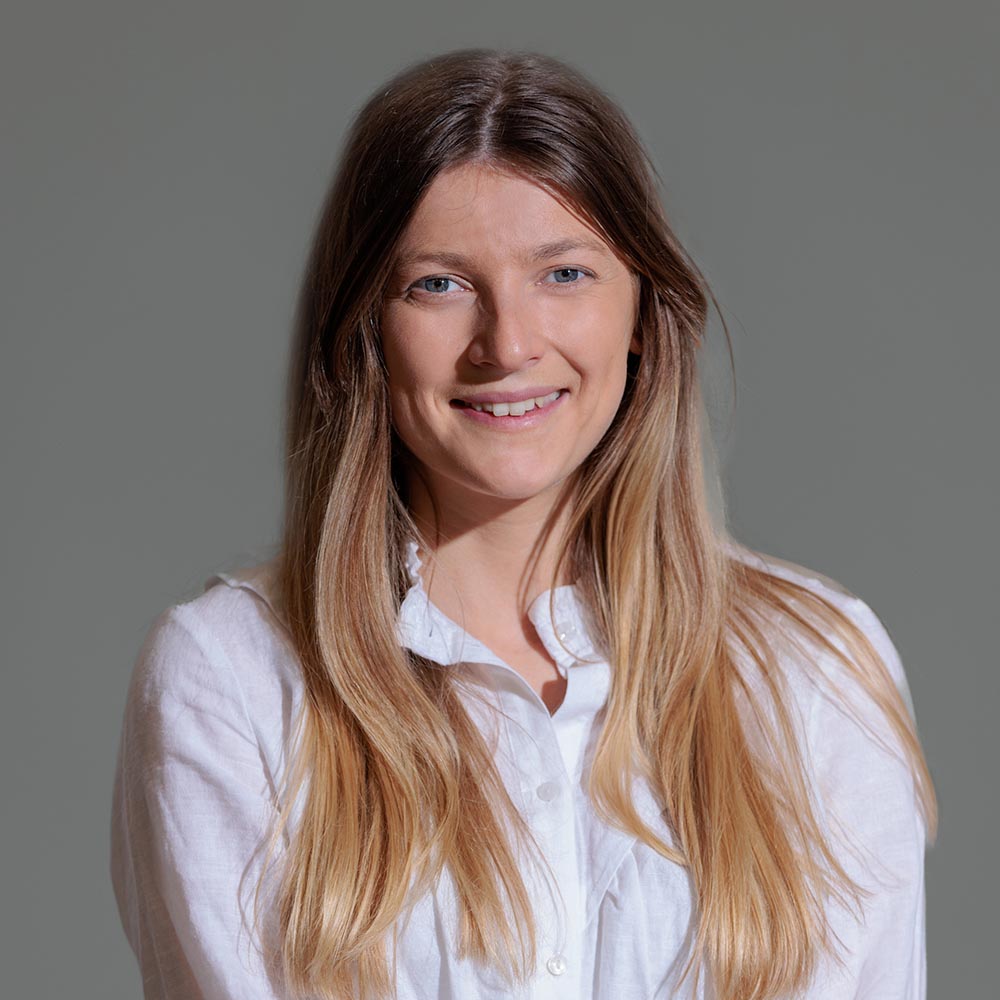
Design and development of a pediatric prosthetic knee joint for children in low-resource environments: a user-centred biomechanical approach
Caitlin Edgar, a postdoctoral research associate in the department of bioengineering at Imperial College London, received first place for her work designing an affordable, adaptable prosthetic knee joint for children living in low-resource and humanitarian contexts.
Her project applies a user-led design process shaped by caregivers, clinicians and children in Cambodia and the U.K. Through an internationally adaptable research toolkit, Edgar developed a clear hierarchy of user needs to guide engineering decisions rooted in musculoskeletal modelling. She presented a novel knee design alongside insights from the first U.K.-based trial with children aged eight to 12.
At a time when conflict and disasters are leading to increasing cases of childhood limb loss, her work proposes practical, scalable solutions to improve stability, comfort and long-term fit for pediatric prosthetic users.
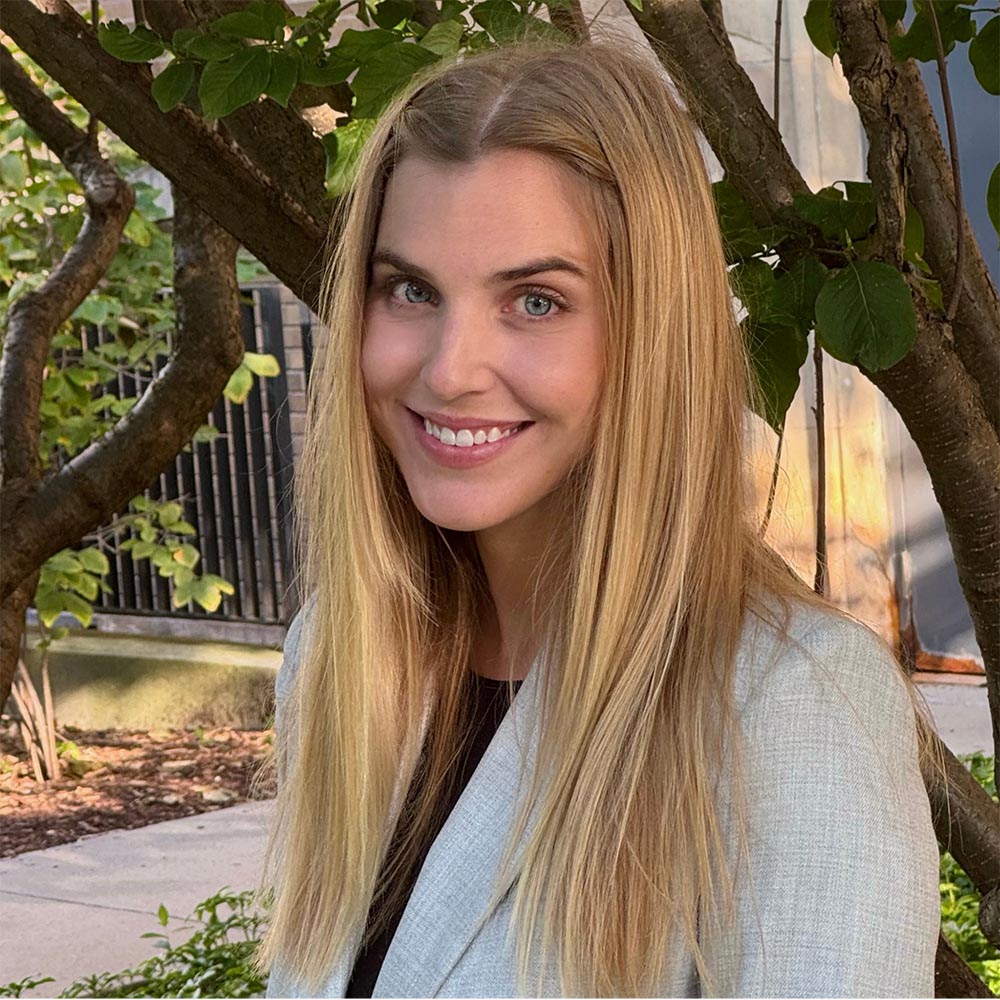
Navigating ableism and inaccessibility in school transportation for disabled students: family efforts, practitioner perspectives and systemic barriers to access
Élyse Comeau, a PhD candidate in planning at the University of Toronto, was awarded second place for her research examining persistent gaps in accessible school transportation in the Greater Toronto and Hamilton Area.
Her dissertation weaves together a scoping review, interviews with families living with childhood disability, and an in-depth look at how education professionals plan and deliver school transportation services. Findings show that families often take on significant “access work” — from managing complex morning routines to navigating administrative processes — to secure transportation that meets their child’s needs. Meanwhile, practitioners identified structural and operational barriers that contribute to persistent challenges in delivering truly accessible school transportation services.
This research offers concrete opportunities to redesign transportation systems in ways that better support student inclusion and reduce the inequitable labour placed on families.

Restricted and repetitive behaviours and interests of autism: functions and mapping
Dr. Stephanie Lung, psychologist in supervised practice, received third place for her doctoral work exploring the functions and mapping processes of restricted and repetitive behaviours and interests (RRBIs) of autism.
Using a scoping review and an integrated sensory–cognitive paradigm, Dr. Lung identified several adaptive roles that RRBIs can play — from supporting sensory regulation to providing predictability and facilitating “flow.” Her work also highlights emerging relationships between cognitive flexibility, sensory processing and specific RRBI subtypes.
By focusing on regulatory and constructive functions, her research contributes to a growing movement toward neurodiversity-affirming understanding and improved diagnostic approaches that more accurately capture autistic experience.