
Training the next generation of psychologists to meet the increasingly complex needs of children and youth.
Across Canada, children and youth with disabilities face two intersecting challenges: elevated rates of psychosocial and mental health difficulties, and a health-care system increasingly short of trained psychologists to support their specialized needs.
Holland Bloorview Kids Rehabilitation Hospital is leading efforts to close that gap, through a unique pre-doctoral residency program that’s training the next generation of psychologists to meet the unique and complex needs of children and youth with disability.
The program, led by Dr. Heidi Kiefer, a clinical psychologist, emphasizes rigorous, hands-on learning that prepares trainees to deliver specialized, inclusive care while meeting families where they are. The hospital’s approach is not simply to train more clinicians it’s to ensure they’re equipped with the right skills to meaningfully support families.
“The cases we see are rarely straightforward,” says Dr. Kiefer. “Many of the children and youth we work with have multiple, co-occurring challenges. That level of complexity requires expert clinicians who can think holistically.”
That complexity is reflected in the data: currently, 34 per cent of the clients Holland Bloorview serves have three or more diagnoses, reinforcing the importance of advanced, interdisciplinary training.
Residents in the program are immersed in a range of clinical settings, working with children and youth across developmental stages and diagnostic profiles. They gain experience in areas such as neurodevelopmental assessment, neuropsychological evaluation, complex behaviour profiles, chronic pain and rehabilitation following brain injury. Just as importantly, they learn to situate that clinical work within a broader context, considering family dynamics, cultural factors and access to care.
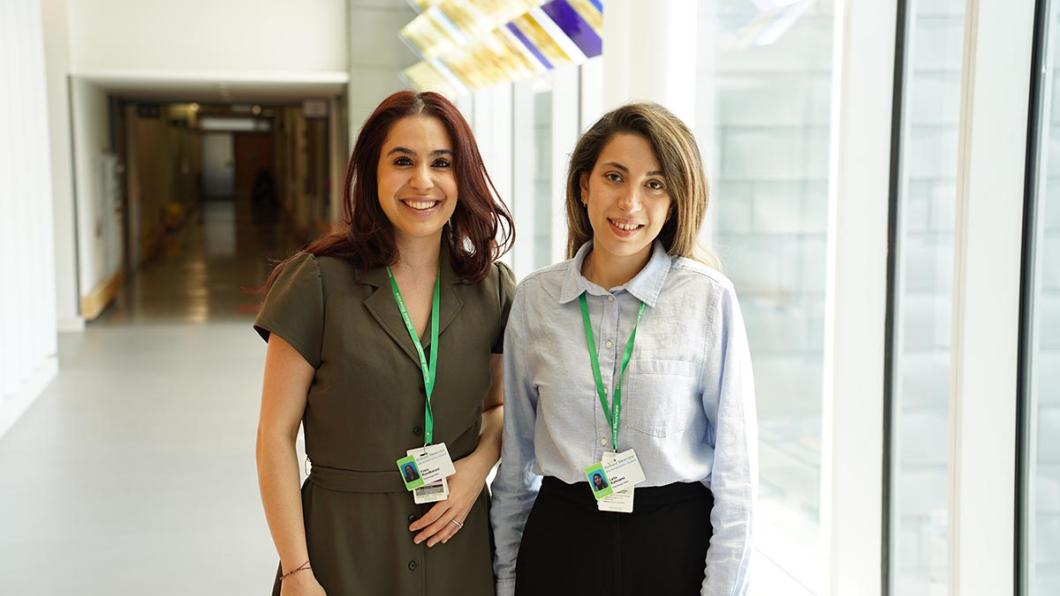
For Flora Roudbarani, a current psychology resident, that shift in perspective has been a key part of her training.
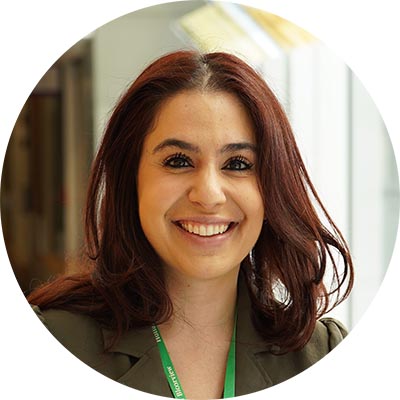 “You’re not just assessing the child,” she says. “From the very beginning, you’re also trying to understand the family, where they are coming from, what they are ready for and how to support them through the process.”
Training follows a mastery model, where residents begin by observing experienced clinicians and gradually take on more responsibility, eventually leading their own cases with increasing independence. Alongside technical skills, such as administering assessments and delivering diagnoses, residents build the clinical judgment needed to navigate complex and often emotionally charged situations.
A defining feature of the program is Holland Bloorview’s interdisciplinary model. Psychology residents work closely with occupational therapists, speech-language pathologists, physicians, social workers and other specialists. This integrated approach allows residents to understand each child’s needs more fully and connect families with coordinated supports.
For Leila Kahnami, a psychology resident providing neuropsychological assessment services, the importance of interdisciplinary collaboration in understanding and supporting children and youth with complex medical presentations is vital.
 “Many of the children and youth followed at these outpatient services have experienced brain injuries or other medical conditions that have affected not only their thinking and learning, but also their ability to navigate daily life at home, school and in the community”, she says. “Being able to work closely with other professionals helps us develop a more comprehensive understanding of their needs and provide more meaningful support to both the child and their family.”
The impact of this training extends beyond the hospital. Many graduates of the residency program go on to work in community settings, school boards and health-care systems across Ontario, bringing with them the specialized skills developed through their training.
“There’s a ripple effect,” says Kiefer. “When clinicians are trained to work with complexity, they carry that expertise into the broader system, strengthening care for children and families wherever they are.”
As the needs of children and youth continue to evolve, so too must the systems that support them. By providing one of a kind, comprehensive, interdisciplinary training, Holland Bloorview is ensuring that more families have access not just to care, but to the right care, delivered with expertise, empathy and understanding.
By Brendan Byrne