
How a traumatic brain injury became a powerful story of rehabilitation, healing and compassionate support
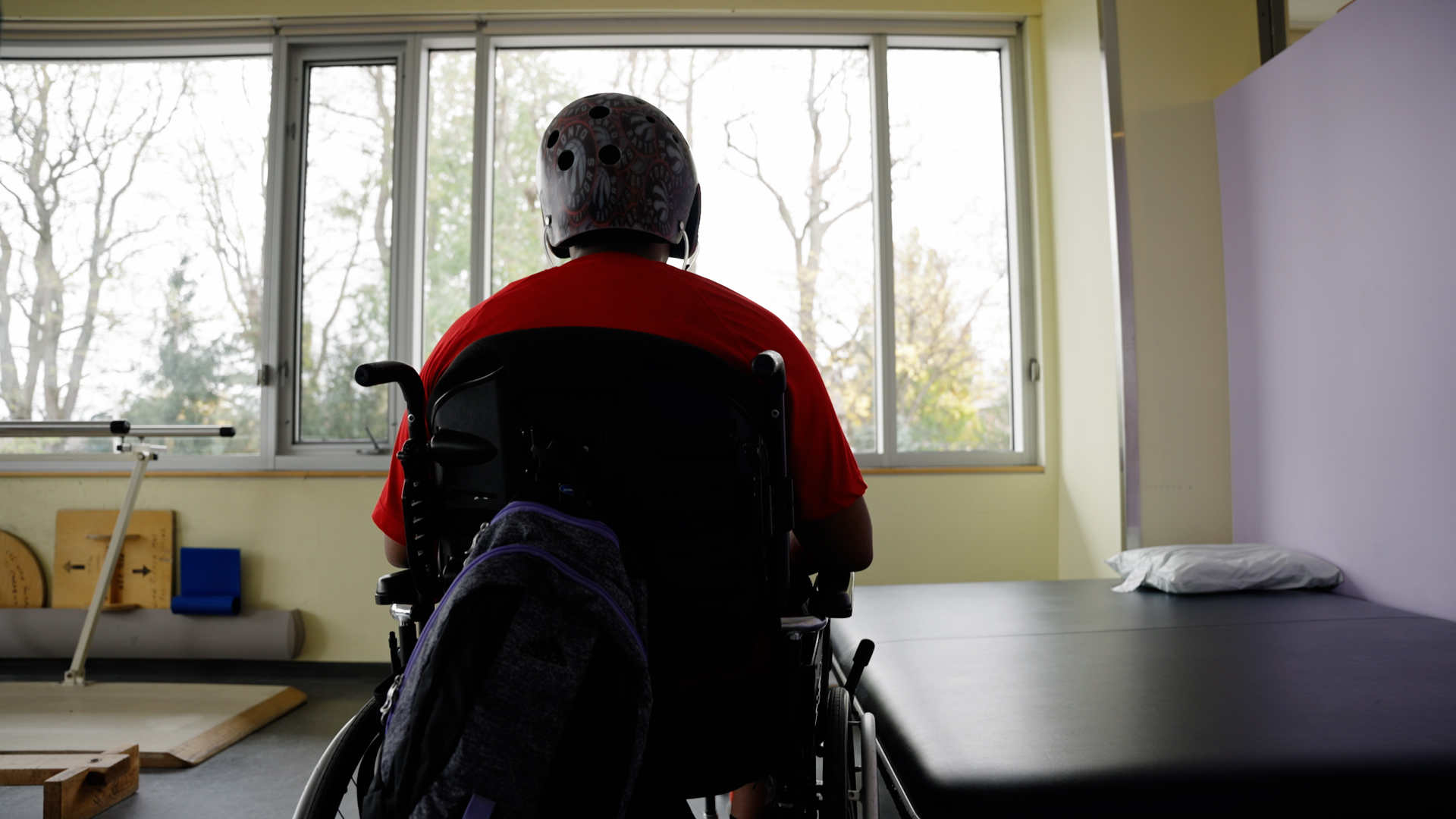
When Nekai Foster took his first independent steps again, everyone in the room watched in awe. It was a moment of triumph, the culmination of months of resilience, care and compassionate support.
After becoming a victim of gun violence, life changed in an instant. What followed was a long and uncertain journey through trauma, rehabilitation and recovery, a journey now captured in an award-winning documentary, Nekai Walks.
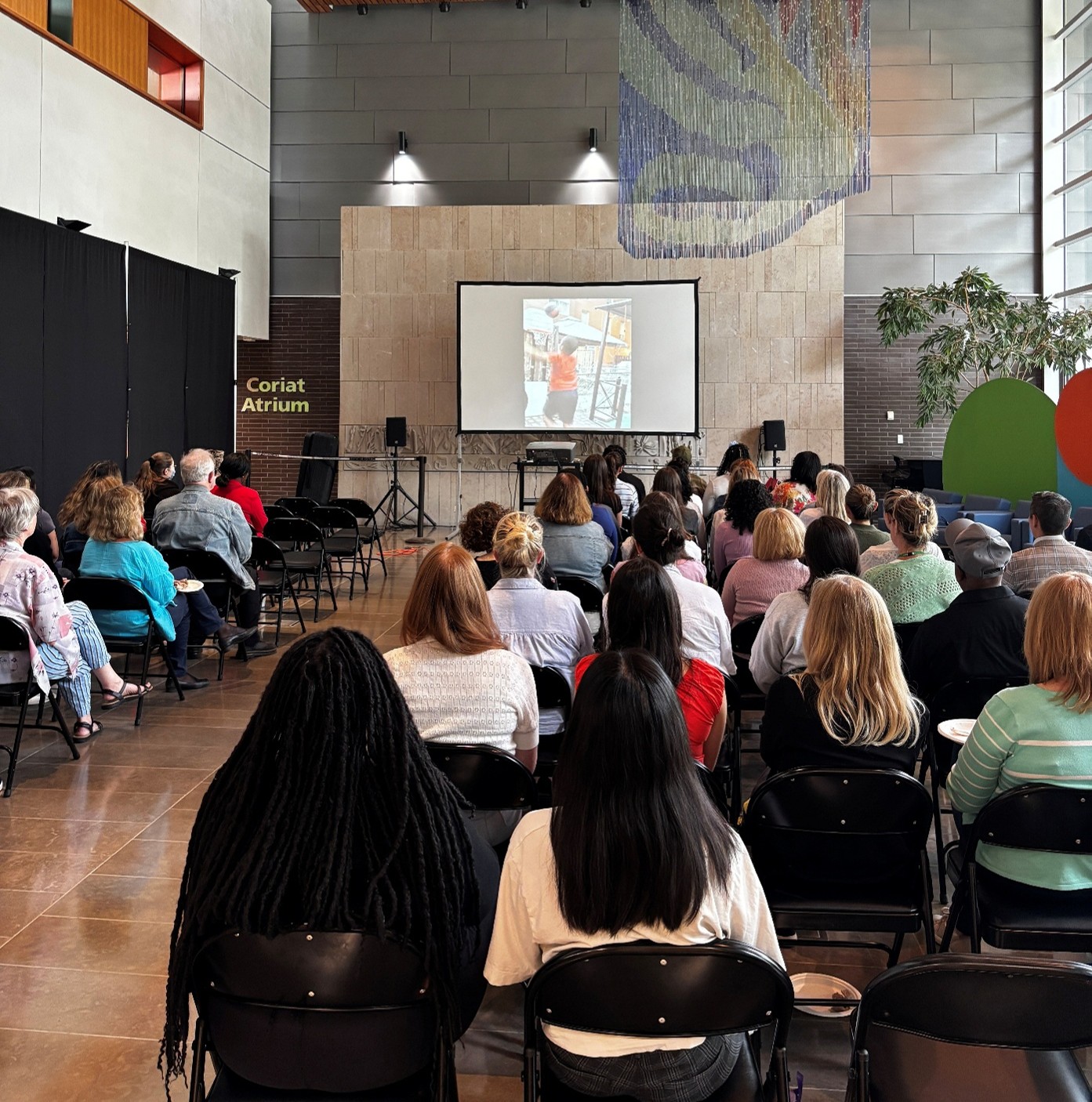
Staff watching Nekai Walks film
Recently, Nekai and his family returned to Holland Bloorview Kids Rehabilitation Hospital, where he received care, for a special screening of the film to the staff, care teams and community who supported him. It was a full-circle moment, a celebration of his recovery and the people who made it possible.
Holland Bloorview is where Nekai relearned how to move, how to trust his body again and as his family describes it, how to never give up. Returning to the space carried deep emotional weight.
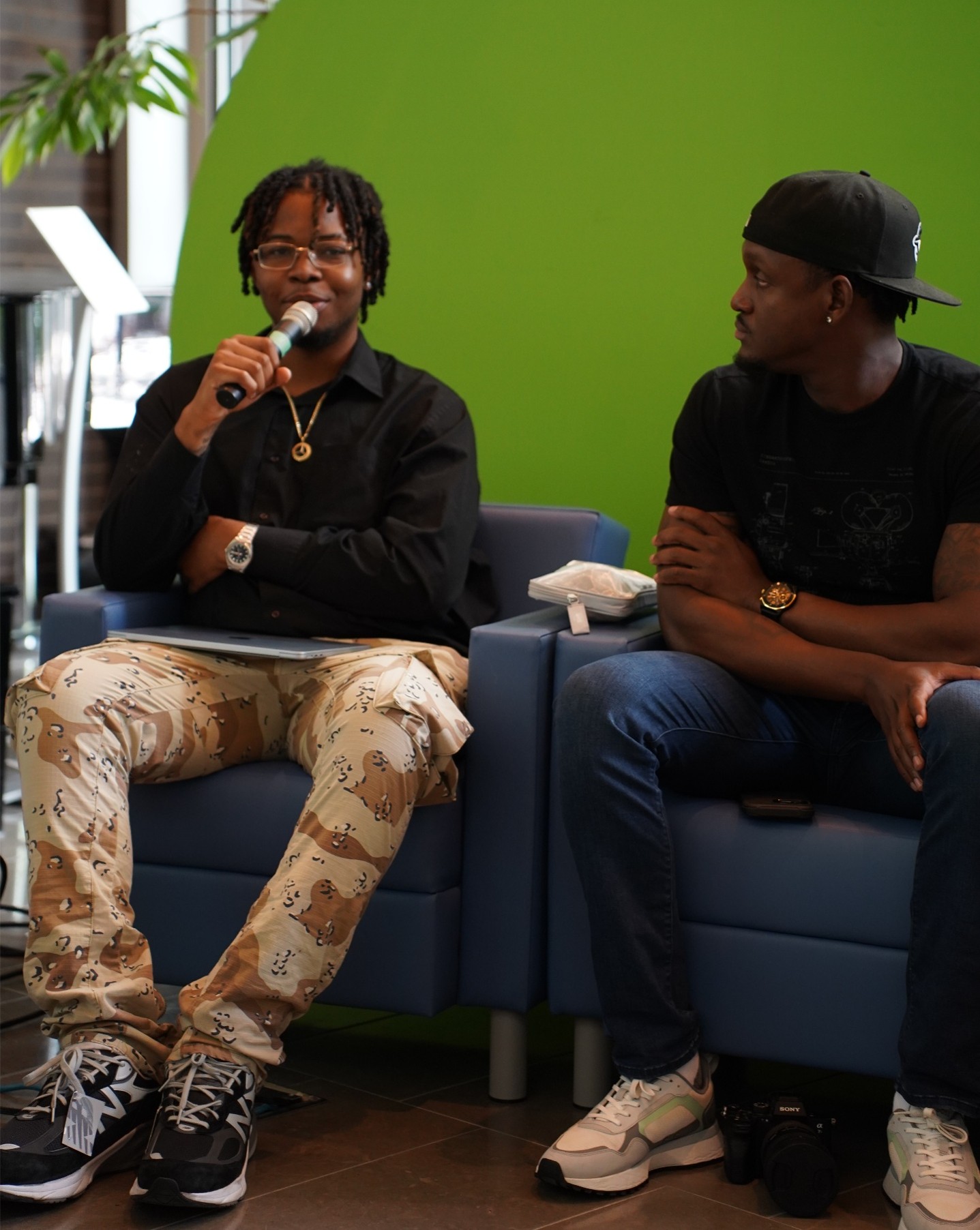
Nekai with film director, Rico King
“Coming back here feels like stepping into the beginning of my second life,” Nekai shared. “There were days I didn’t think I’d ever walk again. But I kept on believing I’ll survive, I can’t die now!”
He expressed deep gratitude for his care team: “I just want to shout out the staff, they’re amazing. Overall, my experience was a 10 out of 10.”
Reflecting more broadly, Nekai added: “I’d like to see change. Gun violence is happening too often, especially impacting Black youth, and I want to see it come to an end.”
He also shared a message for others facing similar challenges: “Keep going. Keep that drive. Even when things feel at their worst, always hope for the best.”
His words resonated deeply with the staff who supported him during his most vulnerable moments.
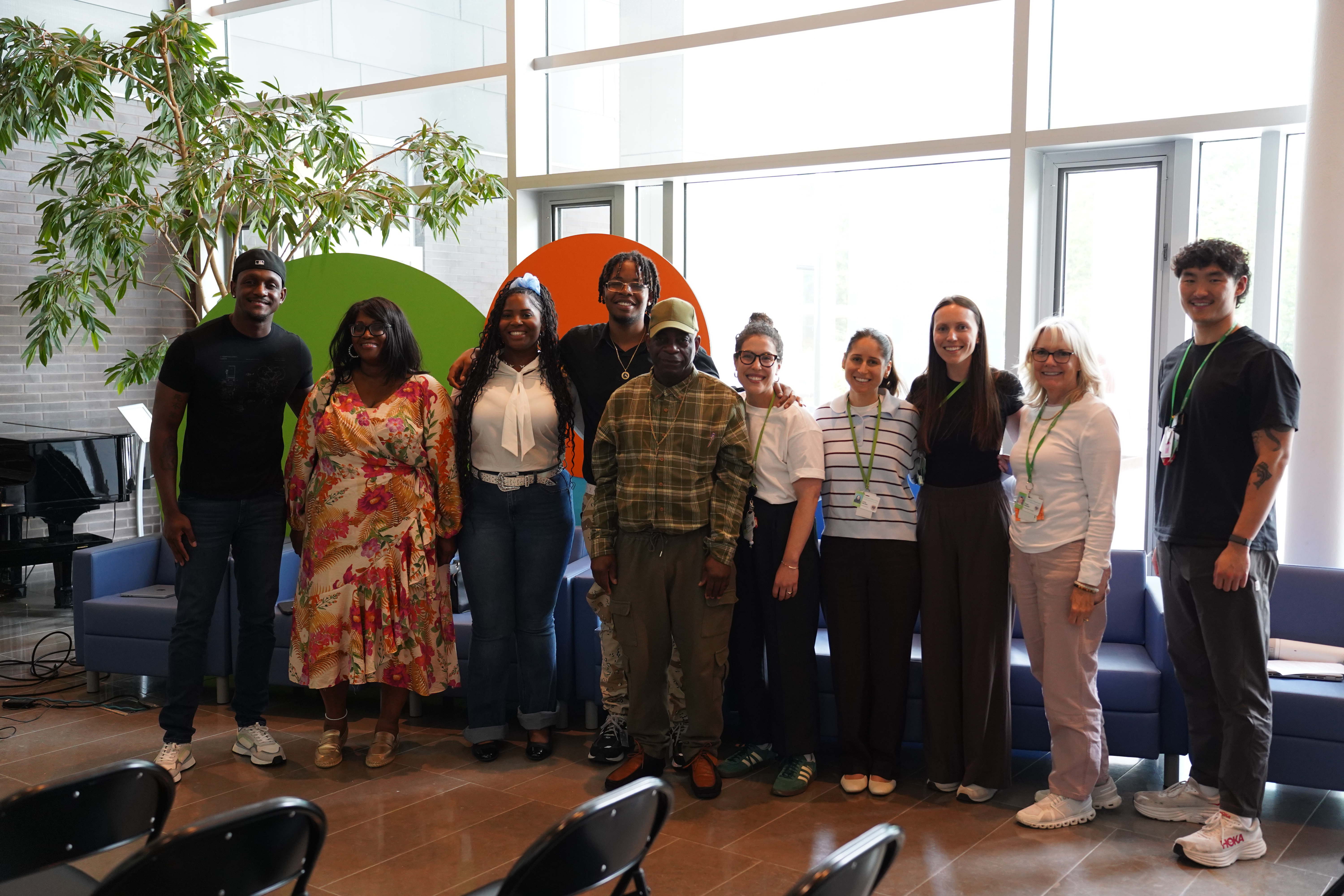
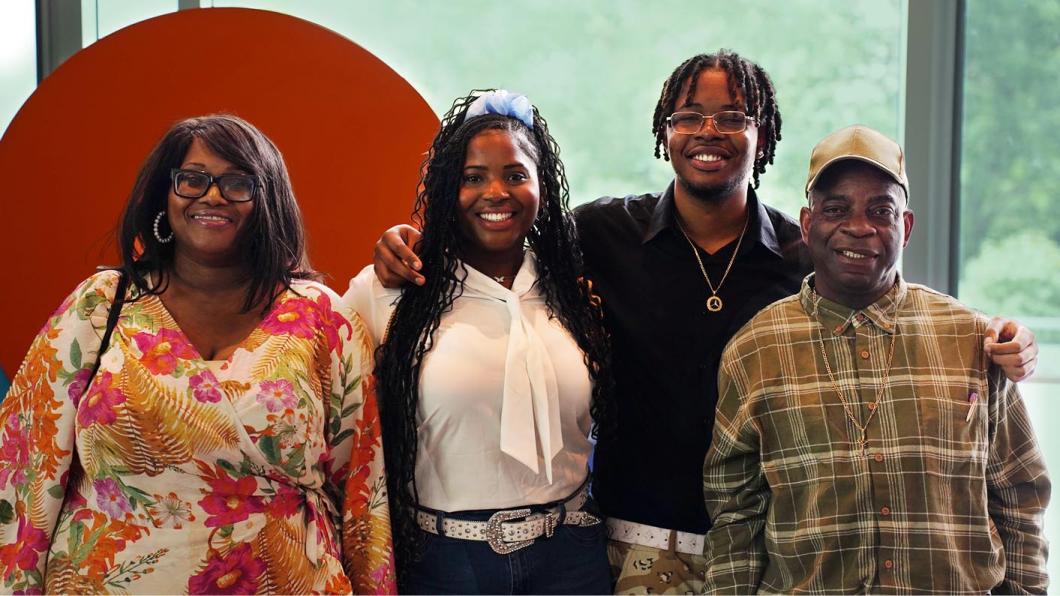
Rico King, Nekai and family members joined by the BIRT team
Tess Bardikoff, a social worker with the Brain Injury Rehabilitation Team (BIRT), one of the staff who cared for Nekai, recalled those days vividly: “He came in with determination, even when things felt impossible. Nekai had phenomenal strength and hope." she said. “What makes Nekai’s story special is that people get to see it and understand what recovery really looks like.”
“As a social worker, my focus is the entire family. What is often overlooked is the toll this journey takes on everyone in the family: those who cannot be present at the bedside, parents who must take time away from work and siblings who take on additional caregiving responsibilities, this is all while witnessing their child’s injury and recovery. Families typically navigate these challenges with limited supports and prolonged separation from loved ones.”
Bardikoff also reflects on the rehab journey being incredibly challenging in ways that aren’t always understood. She shares how privileged she feels to work with an extraordinary team alongside clients and families, who inspire them to show up as their best selves every day.
Nekai’s mother, Taneeshia Grant, reflected on the emotional toll and the deep gratitude she felt throughout her son’s recovery: “As a mother, you want to take that pain away. But I also saw how much love surrounded him here. Holland Boorview became part of our family. They didn’t just care for Nekai they cared for all of us.”
“What stood out to me was the range of supports available for parents. There’s so much care given to the physical aspects of rehab, but also to the emotional side, through group meetings, and even the spiritual side. Being able to go outside into the Spiral Garden, to walk, breathe and connect with nature, helped me exhale and find a sense of peace. This truly supported the healing process.”
Nekai’s sister, Nicole, described the experience as both frightening and transformative: “I’m so proud to see how far my brother has come. At the same time, witnessing the violence in our city breaks my heart. So many Black youth are losing their lives for no reason. Much of it stems from ‘get-back’ culture, but also from the systems they grow up in, which limit opportunities and prevent them from thriving. I hope this film brings awareness to these realities.”
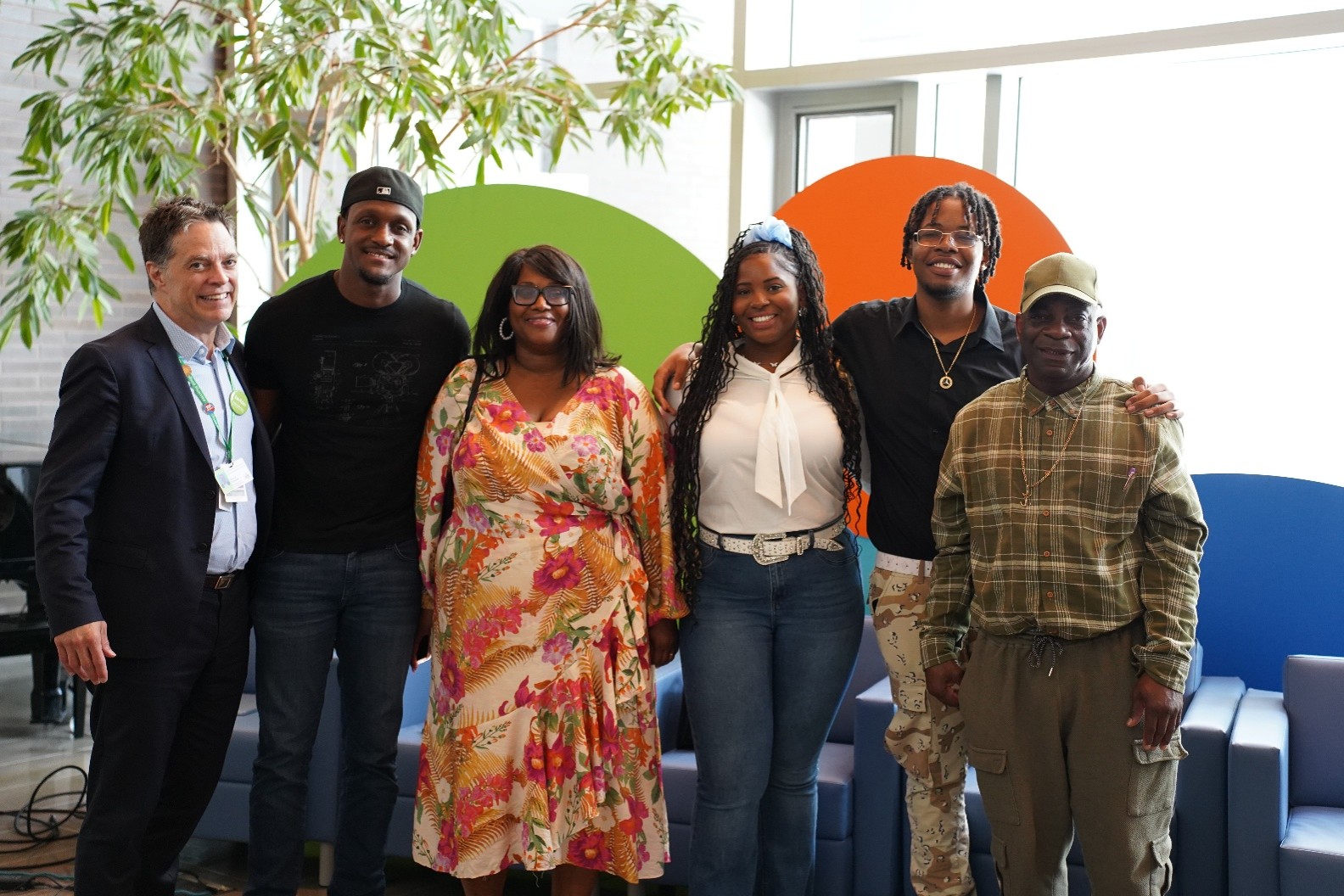
Bruce Squires (left) with Rico King, Nekai and family members
Bruce Squires, president and CEO, Holland Bloorview reflected on the broader implications of the story: “As a leading pediatric hospital, we have both an opportunity and a responsibility to lead change. That means acknowledging the inequities that exist within our health system and actively working to dismantle them.
Nekai Walks invites us to engage with openness and curiosity, to listen, to learn, and to reflect. Our Brain Injury Rehabilitation Team (BIRT) has the privilege of walking alongside remarkable children and families, supporting them through some of the most challenging moments of their lives.
But this story is not an endpoint, it’s a starting point. It challenges each of us to consider how historical and ongoing inequities shape health and wellbeing, and to reflect on the role we play: how we show up in our work, how we build relationships with children and families, and how we contribute to a more equitable and inclusive environment.”
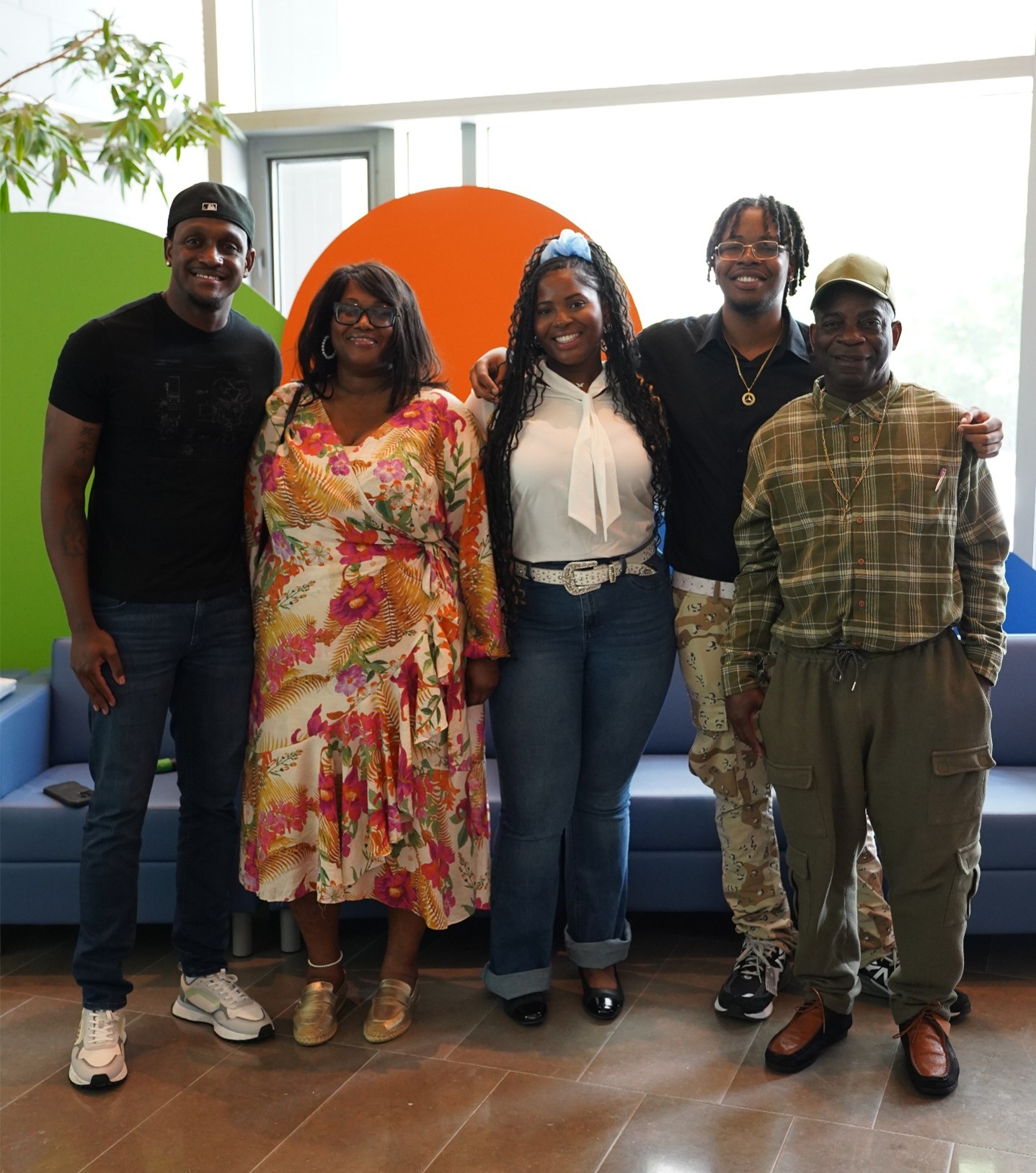
Rico King with Nekai and family
The film’s director, Rico King, said the story unfolded in ways he hadn’t anticipated: “This wasn’t just a documentary about recovery. It became a story about community, about the invisible work that happens every day in places like Holland Bloorview and about what it really means to keep going.”
Filming such an intimate journey required deep trust, something Nekai and his family offered with openness and grace: “Nekai didn’t just let us document his progress, he let us witness his vulnerability. That honesty is what makes the film powerful.”
----------
About the film
Nekai Walks follows the extraordinary recovery of Nekai Foster, a young Black Canadian whose fight to live becomes a lens into the human cost of urban gun violence. Told through intimate verité footage, hospital moments, family testimony, and community voices, the film chronicles his journey from a ventilator and brain surgery to the painstaking, humbling process of relearning how to sit, speak, and ultimately stand. Read more
The documentary recently received the Rogers Audience Award at the 2026 Hot Docs Canadian International Documentary Festival, and will be released to public in September on TVO.
About Holland Bloorview’s Brain Injury Rehabilitation Team (BIRT)
BIRT serves clients aged six months to 18 years who require rehabilitation following an acquired brain injury. While in hospital, clients have access to a dedicated team of doctors, nurses, speech language pathologists, occupational therapists, physiotherapists, child and youth workers, social workers, therapeutic recreation specialists, neuropsychologists and other team members. The team works together to provide patients and families with the best quality care. Learn more
By Terry Mutuku
Photos by Brendan Byrne