
Supporting care behind the scenes
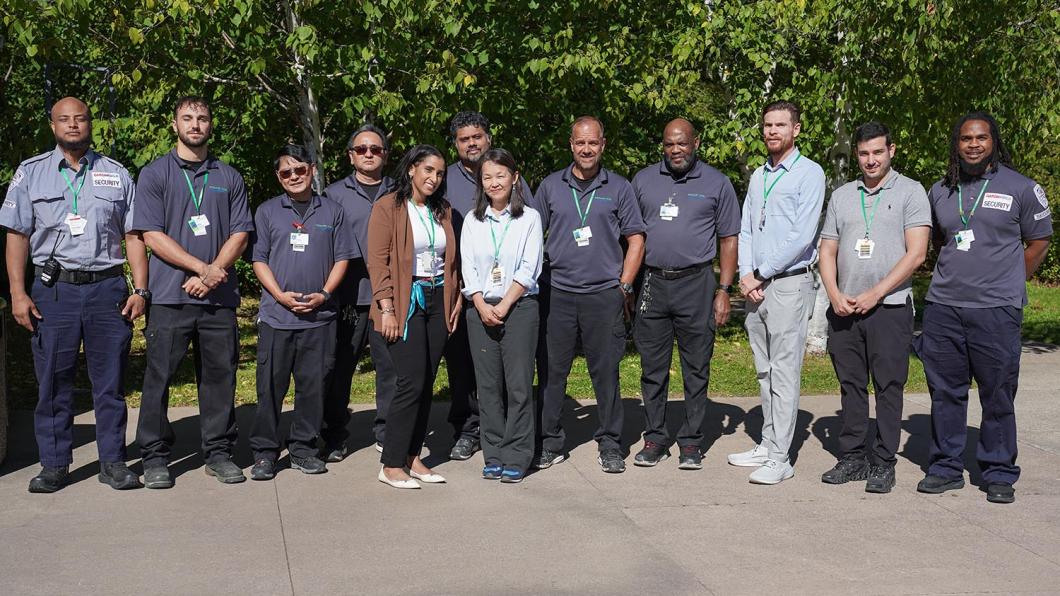
Every day, the facilities team works around the clock to ensure Holland Bloorview operates safely, efficiently and reliably. While much of this work happens behind the scenes, facilities (also known as building services) plays an indispensable role in creating safe, welcoming and accessible spaces for children, youth, families and staff.
The facilities team is responsible for the operation and maintenance of the hospital's physical environment, both indoors and outdoors, overseeing hundreds of critical assets that keep the hospital running safely and efficiently. The team also leads a wide range of support services, including but not limited to parking, transportation services, security, biomedical equipment maintenance , emergency response, regulatory compliance and preventive maintenance.
With sustainability in mind, the team also leads energy management initiatives, explores new technologies and identifies opportunities to reduce our environmental footprint and improve operational efficiency.
“Our role is to ensure Holland Bloorview's facilities, infrastructure and support services operate safely, reliably and efficiently every day,” says Jordan Attisano, manager, facilities operations and transportation. “From maintaining critical building systems and supporting clinical operations to enhancing the experience of clients, families and staff, our team works behind the scenes to create an environment where care, learning and research can thrive. We are continuously looking for ways to improve performance, embrace innovation and advance environmental sustainability, while never compromising safety, compliance or comfort.”
We chatted with Jordan to learn more about how they support Holland Bloorview.
What maintenance work happens behind the scenes to help keep the hospital running smoothly?
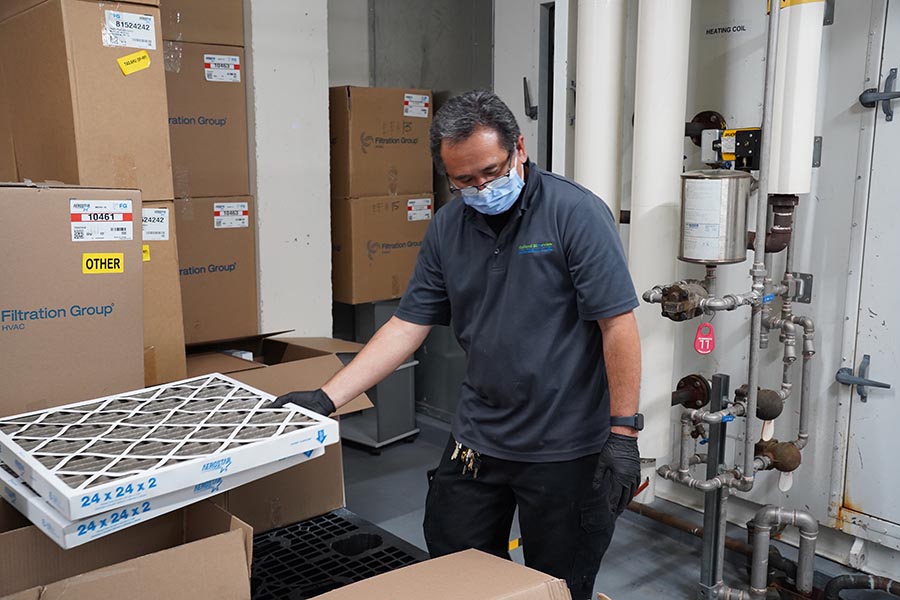
Our team routinely inspects and services hundreds of critical assets throughout the hospital, in areas such as heating, ventilation and air conditioning (HVAC) systems, electrical distribution, plumbing, mechanical systems and life safety systems. We also respond to the many staff-generated requests received through our Megamation request system.
We regularly perform indoor air quality monitoring, pool water testing and treatment, Code Blue (medical emergency) testing and scheduled inspections required by legislation and accreditation standards.
By proactively maintaining these systems, we reduce equipment failures, improve reliability and provide a safe, comfortable environment for all.
Can you share a recent environmentally sustainable solution your team has implemented or supported, and what impact it has had on hospital operations?
Recent initiatives include upgrading lighting to energy-efficient LED fixtures, installing additional water bottle filling stations to reduce single-use plastic waste, and implementing water-saving fixtures such as waterless urinals. Read more in our annual sustainability impact report.
On the lighting side, we’ve reduced our load by 50 per cent. This translates into direct operational savings that can be redirected to hospital care. In addition, these efforts contribute to the reduction of greenhouse gas emissions. The healthcare sector accounts for 4 per cent of total global emissions so it is important that we do our part.
For the future, we are investigating enhanced electrical monitoring systems that will allow us to better understand how energy is used throughout the hospital. This, in turn, could drive additional new initiatives aimed at energy efficiency.
How does the facilities team respond to staff feedback regarding safety?
Executive Leadership Rounds is one feedback channel that provides valuable insight into how the hospital is functioning from the perspective of staff. When safety concerns are identified, our team evaluates the issue, prioritizes the work based on risk and operational impact, and develops practical solutions that can be implemented efficiently.
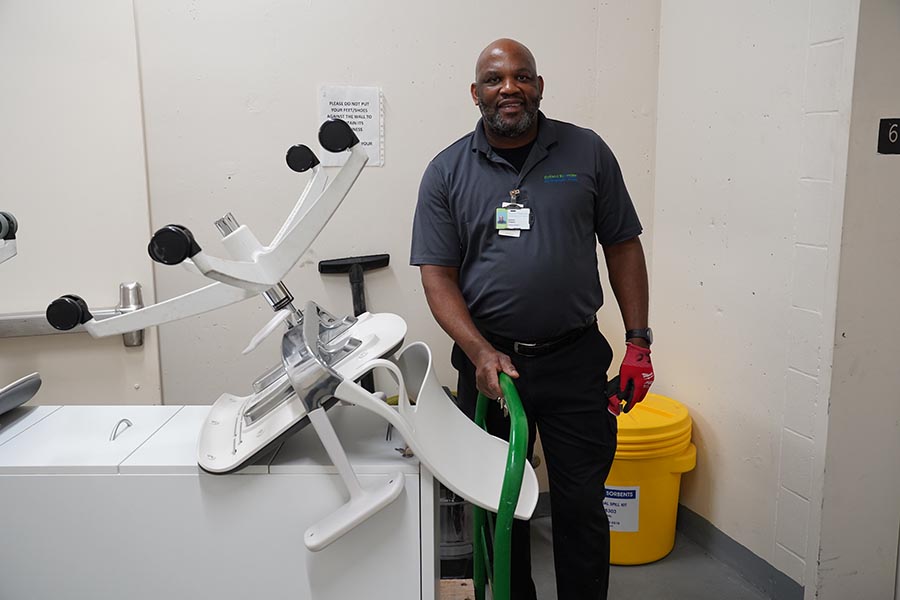
As a result, we installed additional emergency call buttons in the therapy pool area, added automatic door openers on the third floor soil rooms, improved lighting in stairwells, added security cameras in strategic locations throughout the hospital and enhanced emergency equipment such as the addition of evacuation chairs, with the help from the risk management teams.
What’s the most common thing staff ask you about?
We hear lots of comments about temperatures and parking. With climate change, extreme weather is becoming the norm. We do our best to keep the building consistently comfortable while also being mindful that the hottest days are when the grid is under most pressure. We reduce lighting and make adjustments to our building automation system to alleviate system demand. A warming planet is a key reason we continue to invest in sustainability initiatives.
With regard to parking, we have more staff than ever. This is and remains a pressure for us. On the upside, we’ve successfully moved 70 staff to the UHN lot and many more to the main lot. Getting more staff closer to the hospital is feedback we’ve heard and have been able to act on.
Parking will continue to be a pressure and our team continues to look for solutions. As we do so, car pooling, transit and cycling are excellent options to consider. I’ll take the opportunity to remind staff to first park in the “raccoon” zone first (eastern most section of the lot closest to UHN), particularly on busy days, to ensure families get into the main lot for visits and appointments.
You acquired a new transport vehicle! What gap did it help fill?
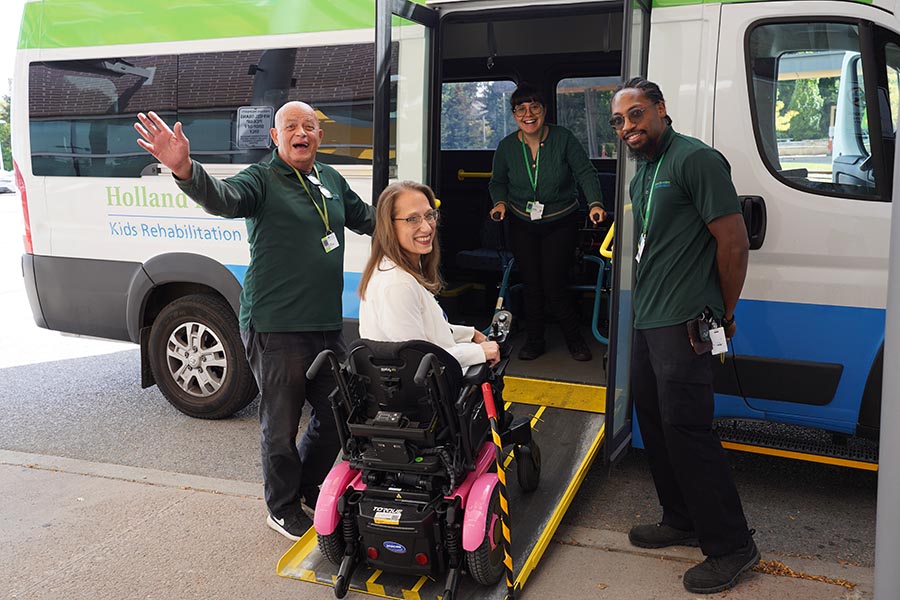
The vehicle was designed with accessibility in mind and closely mirrors the configuration of Wheel-Trans vehicles, creating a familiar environment for children who regularly use accessible transportation.
By providing reliable transportation to medical appointments and recreational programs, the vehicle reduces stress for families, improves inclusive access to services and allows children to travel safely and comfortably with equipment when needed.
What's something that makes this team special to work with beyond the technical skills and day-to-day responsibilities?
Our team is built on trust, collaboration, transparency and a genuine commitment to helping one another. There is a strong culture of communication, respect, and continuous improvement, and everyone understands that we succeed by working together.
Whether it’s responding to an emergency, planning a capital project, maintaining critical infrastructure or ensuring a comfortable environment, the facilities team is here to provide a safe, reliable, and welcoming hospital environment. We are grateful to work alongside the rest of Team Holland Bloorview in service of our mission.
Story and photos by William Lam