
Health equity data, family partnerships and continuous learning are helping build more responsive, socially accountable care
Three years ago, with the launch of the HB2030 strategic plan, Holland Bloorview made a commitment to deliver socially accountable care. The goal was to ensure care is shaped not only by clinical needs, but also by a deeper understanding of the social factors that influence health and well-being. By supporting barriers such as food insecurity, housing, income, language, culture and access to community supports, Holland Bloorview is working to reduce disparities.
Today, that commitment is being advanced through a Learning Health System approach. Using real-time data and continuous learning, the organization is gaining a deeper understanding of the communities it serves, identifying inequities and responding to the unique needs of children, youth and families.
This work is helping Holland Bloorview build and deliver programs and services that are more equitable, inclusive and designed to achieve the best possible outcomes for every family.
Health equity data
Since launching the We ask because we care healthy equity survey and social needs screening initiatives, Holland Bloorview has collected more than 4,200 responses from clients and families. This data is helping teams better understand who is accessing services, where barriers exist and how programs can be adapted to meet evolving needs.
Key findings:
- Our client population at Holland Bloorview reflects significant racial and ethnic diversity, including individuals identifying South Asian (12.3 per cent), Black (10.7 per cent), Southeast Asian (8.2 per cent), Latin American (5.5 per cent), East Asian (5.5 per cent), and Middle Eastern, Arab or West Asian (5.3 per cent).
- More than 30% of families are more comfortable speaking a language other than English, including Spanish, Tagalog, Urdu, French, Arabic, Tamil and many others.
- More than half of respondents reported being born outside Canada (52.5 per cent), highlighting the importance of culturally responsive services.
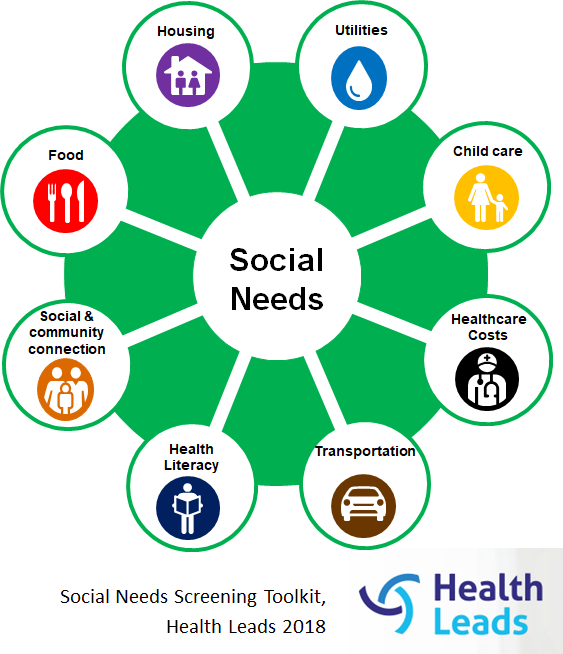
Social needs screening has also provided valuable insight into challenges many families face beyond the healthcare system, including food insecurity, housing, transportation, financial pressures and access to essential resources. Our data reveals that 65 per cent of families who receive care at Holland Bloorview have at least one social need.
Building a culture of social accountability
These insights are already driving change across the hospital.
Recent initiatives include:
Training in equity-oriented healthcare for clinical staff and leaders
- The expansion of Holland Bloorview's food support program
- Expanded clinical pathways for newcomer families and clients, and families facing socioeconomic complexity
- Planned roll out of gender and sexual diversity training
- Identification of unmet social needs through expansion of the use of social health check surveys across programs and expansion of the Family Navigation Hub
- Efforts to use health equity data to examine client safety events and quality outcomes through an equity lens.
 "Our vision is to make health equity and social accountability part of everyday practice across Holland Bloorview," says Lyndsay Tchegus-Veiga, senior director, client and family integrated care, transitions and community partnerships. “Learning from our data in real-time helps us ensure that our programs, services and supports are informed by both evidence and lived experience.”
For Joanne Maxwell, vice-president of experience, transformation and social accountability, this approach to care represents an important evolution in how health-care organizations understand and respond to the needs of communities.
 "Socially accountable care means ensuring every decision we make is informed by the realities and experiences of the children, youth and families we serve," says Maxwell. "As a Learning Health System, we are committed to learning from every client interaction. By bringing together clinical data, health equity information, social needs data and client and family perspectives, we gain a more complete understanding of our communities and where barriers may exist. Those insights help us improve quality, strengthen safety, reduce inequities and design services that are more accessible and responsive. This work is fundamental to delivering on the promise of HB2030 and creating better outcomes for all families."
She adds, "Today, I'm encouraged by the progress we're seeing. We've moved from commitment to action, building the resources, partnerships and expertise needed to make health equity and social accountability a measurable part of how we deliver care."
Partnering with families to drive change
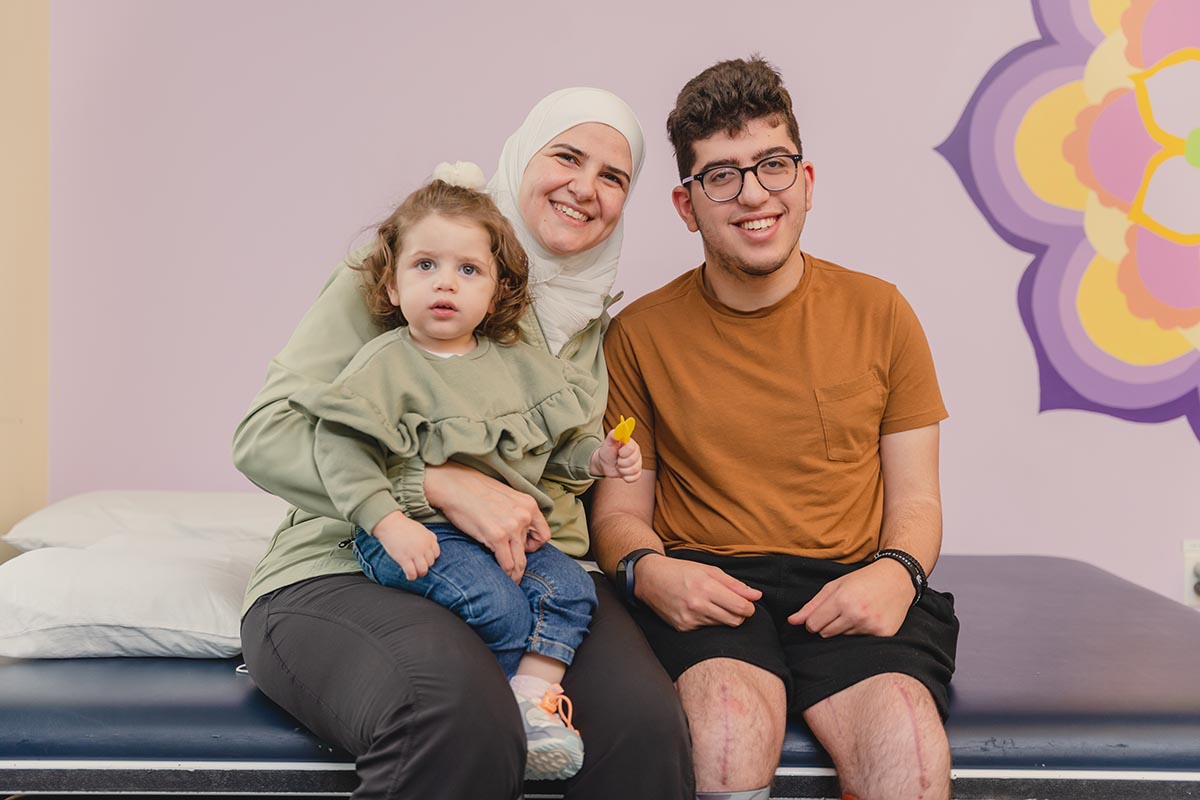
A key part of Holland Bloorview's journey toward socially accountable care has been partnering closely with clients, families and staff to shape priorities and drive meaningful change.
The Socially Accountable Care Strategy Committee brings together diverse voices from across the organization and community to help identify priorities, inform decision-making and ensure accountability. Family leaders play a pivotal role by sharing lived experiences and helping teams better understand the practical barriers families may face.
 "As a caregiver of a child with a neurodevelopmental disability, I understand socially accountable care as care that looks beyond my son’s disability and recognizes the social, cultural, and financial factors that can affect our access to health care," says Gunjan Seth, family leader and chair of the Socially Accountable Care Strategy Committee.
“It means integrating equity, anti-racism, and social determinants of health into care while valuing every child, youth, and family. As an immigrant, it is especially meaningful to know that families are seen, heard, respected and supported regardless of their background or circumstances."
Seth points to initiatives such as the Family Navigation Hub, CommunityCONNECT and We ask because we care as examples of how Holland Bloorview is translating its commitment to social accountability into meaningful action.
"By reducing barriers and addressing social needs, these initiatives allow families to focus on what matters most: their child's well-being,” says Seth.
 Family support specialist, Stephanie Moynagh, agrees: "Families are experts in their own experiences, and social accountability starts by listening to those experiences. When we better understand their interests and the barriers they face, we can connect them with the right supports and help ensure care is more culturally responsive, inclusive and accessible.”
As teams across the hospital continue this work, the goal remains clear: to learn from the children, youth and families Holland Bloorview serves and use those insights to improve care, reduce health inequities and create better outcomes for every family.
By Terry Mutuku